



Issue 77 Chakra
July/August 2017
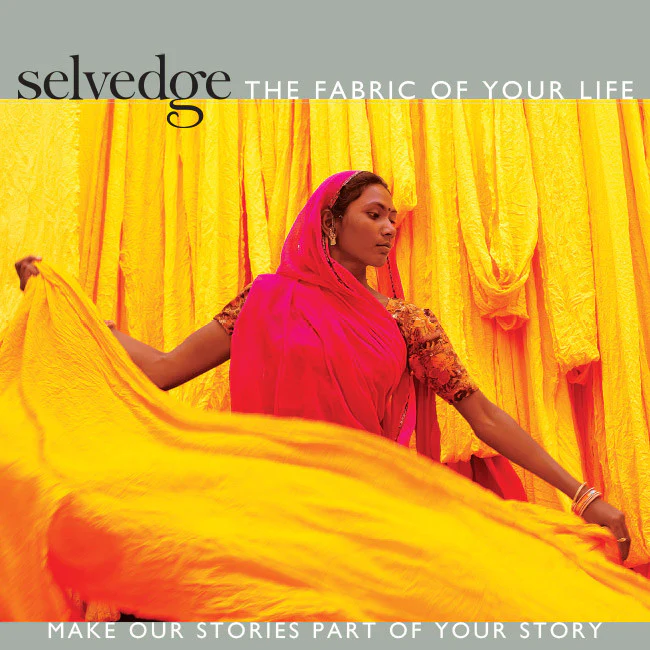
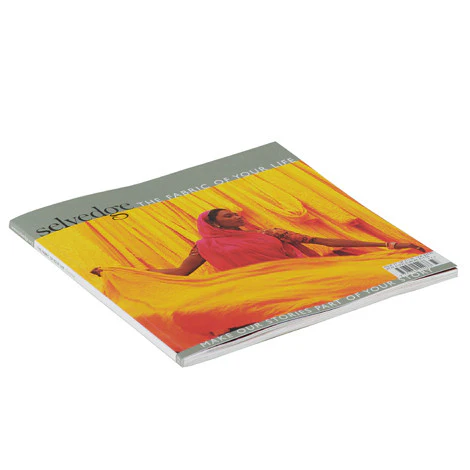
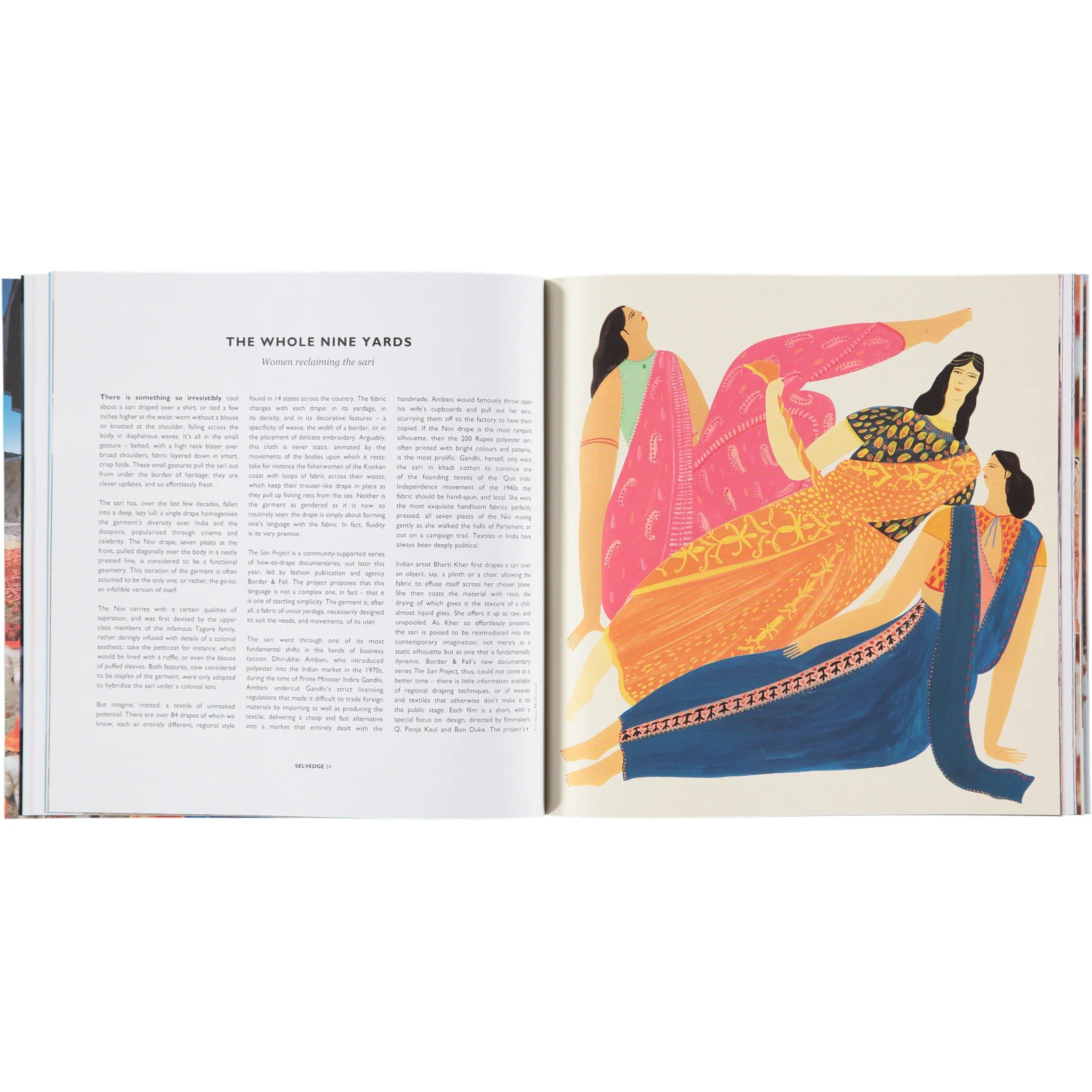
MY HEART LEAPS A LITTLE when my often reluctant call to a utility company is transferred to a call centre in Delhi, where I know my enquiry will be answered efficiently by an elegantly spoken representative. These interactions remind me that our link with India goes far deeper than our passion for Chicken Tikka Masala. As we celebrate the UK India Year of Culture, which marks the 70th anniversary of Indian independence, we look again at the textile culture of one of our oldest allies. The bond between Britain and India goes far beyond the controversial history of the Raj. Our two nations are entwined on a deeper level. In issue 76 we looked at the relationship between the Savannah plantations and the Lancashire cotton mills; this issue we look at the role India played in that trade. We also visit Ahmedabad, a city that like Manchester, owes its reputation as a textile producing centre to its climate and its proximity to an abundant water supply. The banks of the Sabarmati have proved to be ideally suited to spinning fine thread and dying cotton. Today, cotton textiles produced in this region are in demand both inside and outside of India. It is in fact in the turbulent history of Indian cotton that we can see the roots of independence and set the scene for Mahatma Gandhi’s freedom movement which culminated on 15 August 1947 with the raising of the Indian flag, a design originally woven from Khadi cotton depiciting the Ashoka Chakra at its centre, based on a 24-spoke spinning wheel.
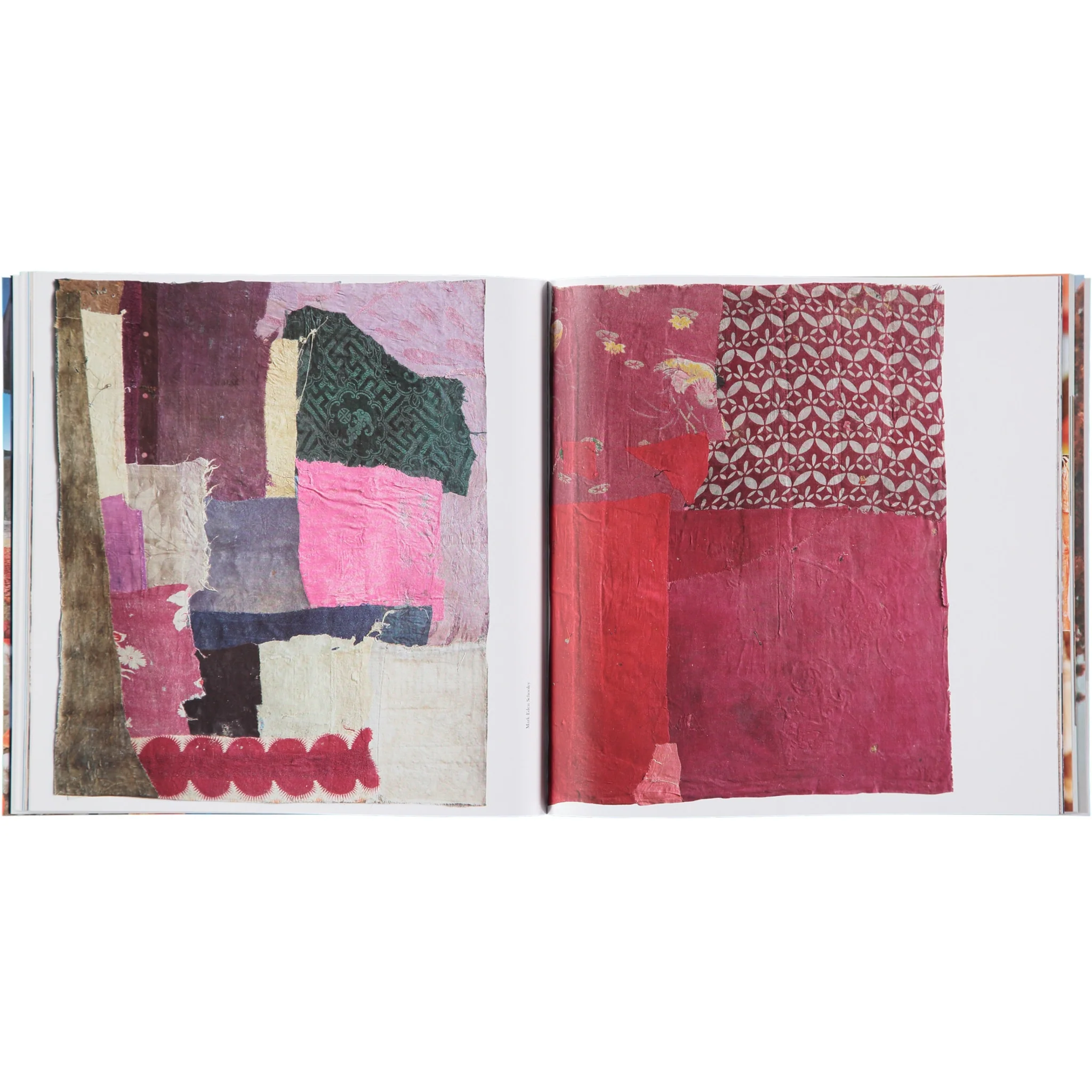
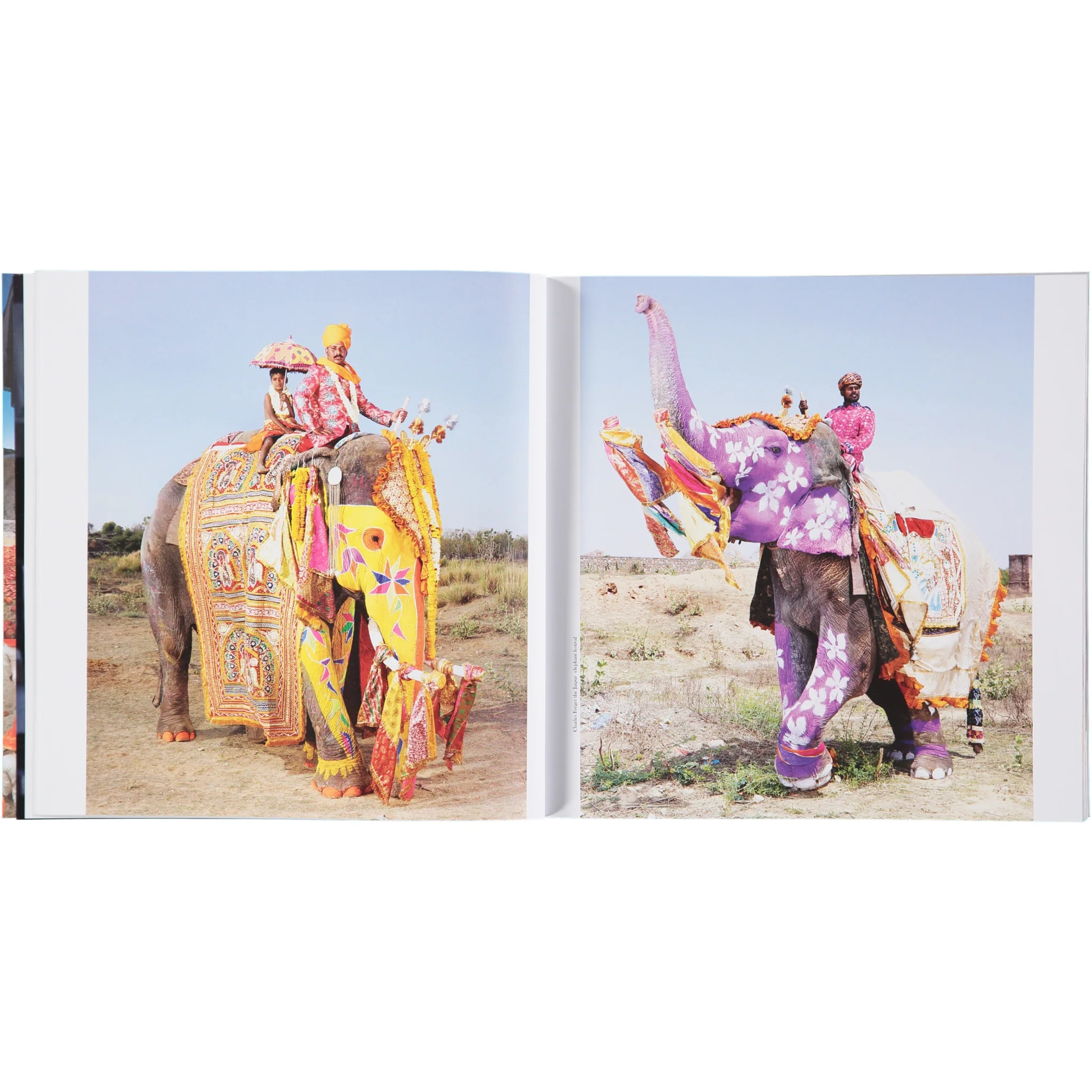
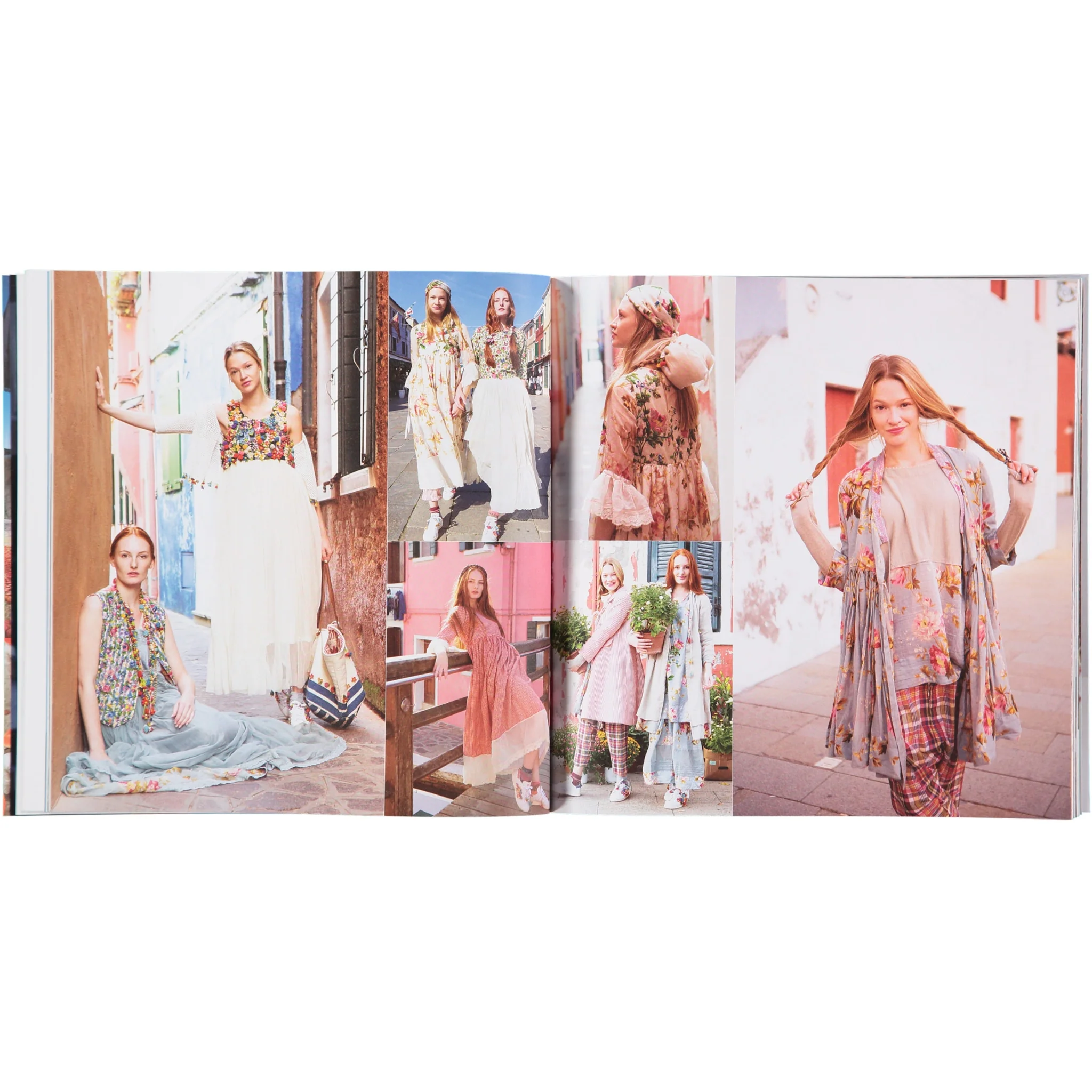
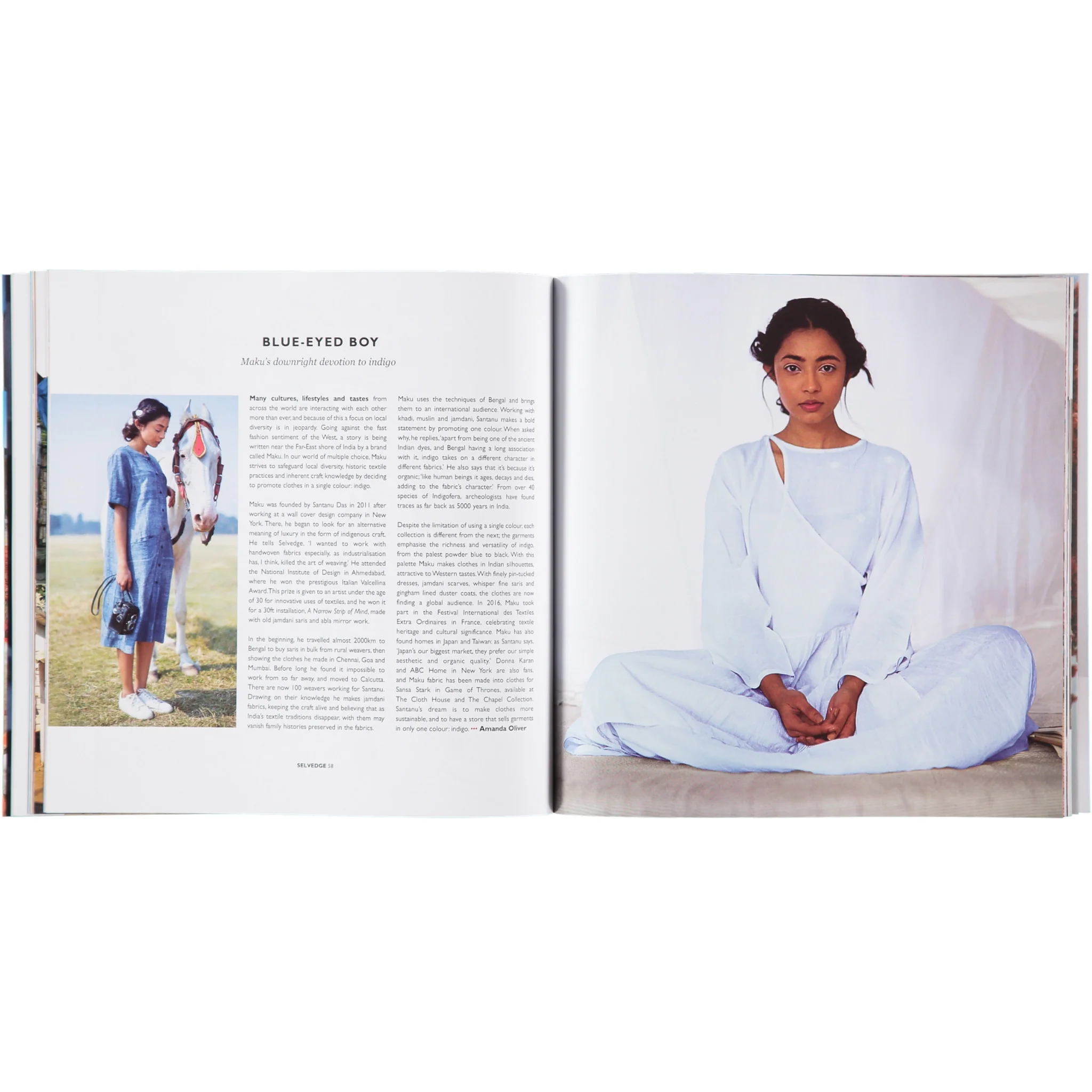
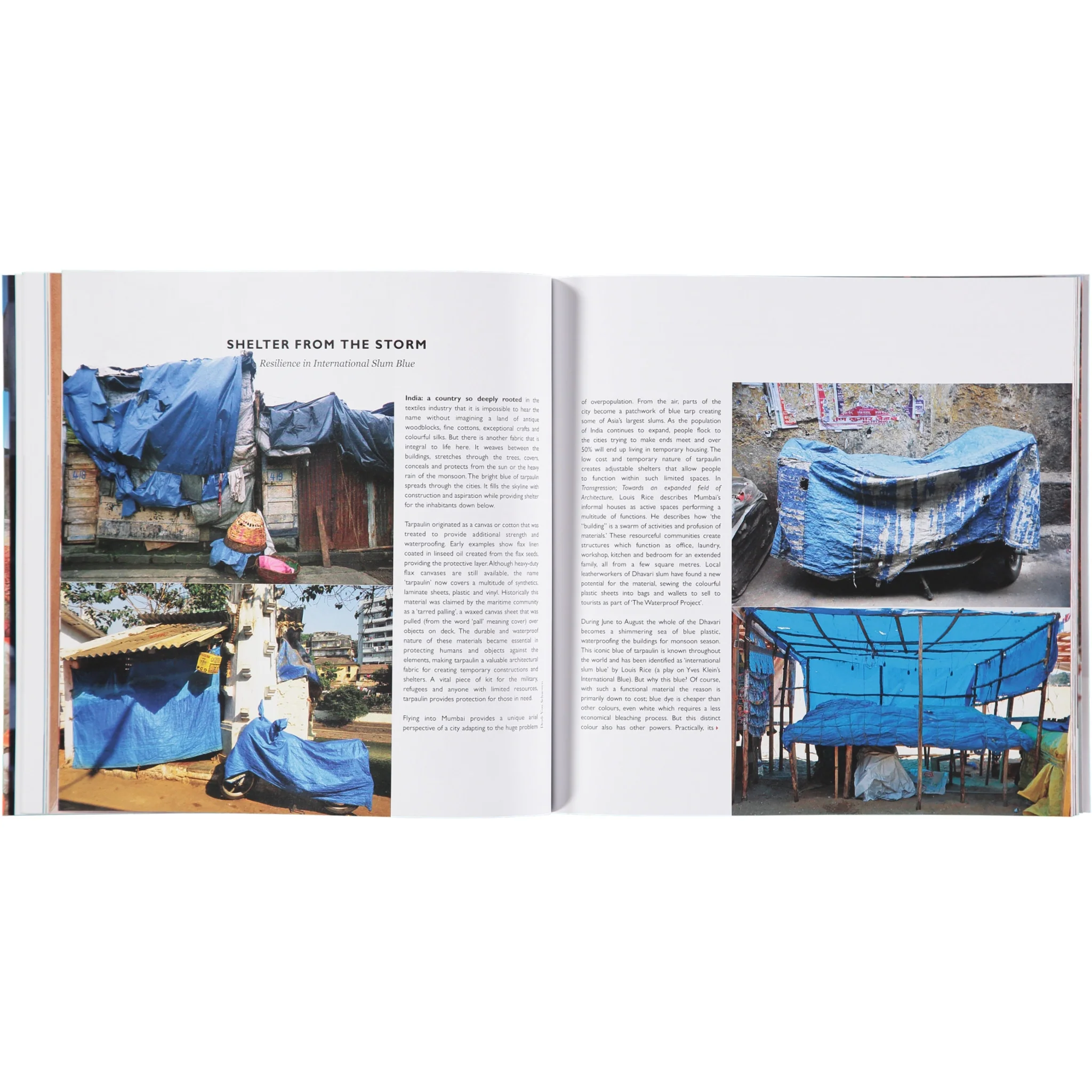
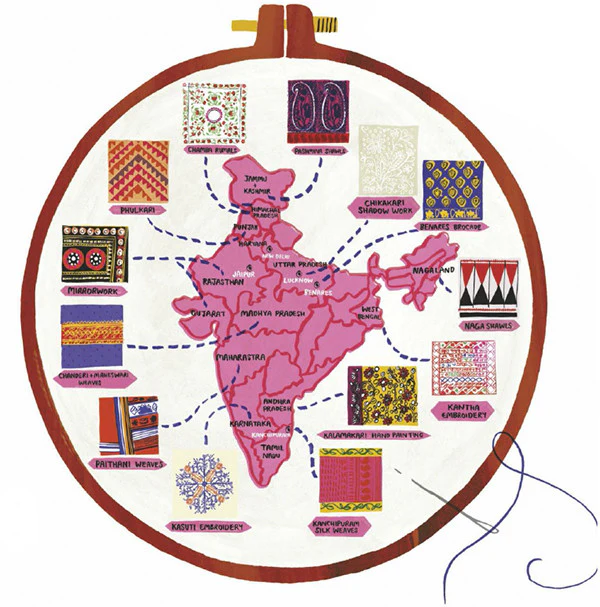
We marvel at the variety of textiles produced across the length and breadth of the subcontinent. From Phulkari in the Punjab to Ajrakh in Kutch and everything in between including my favourites: block printing and hand-painted kalamkari. ‘Made in India’ encompases everything from the omnipresent blue tarpaulin to hand-spinning and weaving, appliqué and dyeing practised at the Rajka company in Ahmedabad. It seems an opportune moment to launch our textile tour of India led by Divia Patel, where we will explore Kutch-Gujarat-Rajasthan textiles on our first tour in January 2018. Enjoy your summer..."Polly Leonard, Founder
Original: $32.16
-65%$32.16
$11.26Product Information
Product Information
Shipping & Returns
Shipping & Returns
Description
July/August 2017
MY HEART LEAPS A LITTLE when my often reluctant call to a utility company is transferred to a call centre in Delhi, where I know my enquiry will be answered efficiently by an elegantly spoken representative. These interactions remind me that our link with India goes far deeper than our passion for Chicken Tikka Masala. As we celebrate the UK India Year of Culture, which marks the 70th anniversary of Indian independence, we look again at the textile culture of one of our oldest allies. The bond between Britain and India goes far beyond the controversial history of the Raj. Our two nations are entwined on a deeper level. In issue 76 we looked at the relationship between the Savannah plantations and the Lancashire cotton mills; this issue we look at the role India played in that trade. We also visit Ahmedabad, a city that like Manchester, owes its reputation as a textile producing centre to its climate and its proximity to an abundant water supply. The banks of the Sabarmati have proved to be ideally suited to spinning fine thread and dying cotton. Today, cotton textiles produced in this region are in demand both inside and outside of India. It is in fact in the turbulent history of Indian cotton that we can see the roots of independence and set the scene for Mahatma Gandhi’s freedom movement which culminated on 15 August 1947 with the raising of the Indian flag, a design originally woven from Khadi cotton depiciting the Ashoka Chakra at its centre, based on a 24-spoke spinning wheel.
We marvel at the variety of textiles produced across the length and breadth of the subcontinent. From Phulkari in the Punjab to Ajrakh in Kutch and everything in between including my favourites: block printing and hand-painted kalamkari. ‘Made in India’ encompases everything from the omnipresent blue tarpaulin to hand-spinning and weaving, appliqué and dyeing practised at the Rajka company in Ahmedabad. It seems an opportune moment to launch our textile tour of India led by Divia Patel, where we will explore Kutch-Gujarat-Rajasthan textiles on our first tour in January 2018. Enjoy your summer..."Polly Leonard, Founder