







Issue 126 Deco

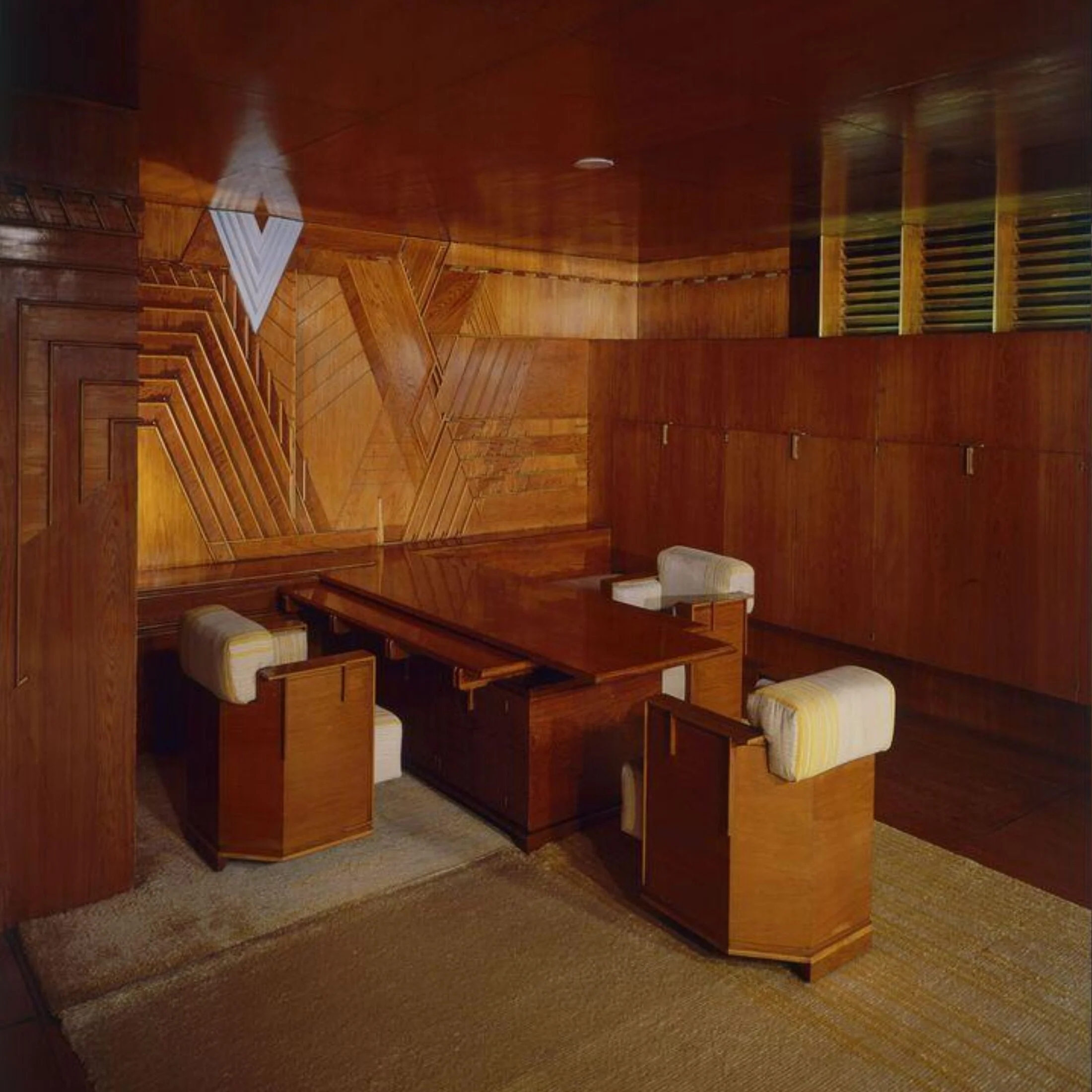
The 1925 International Exhibition of Modern Decorative and Industrial Arts in Paris attracted 16 million visitors and marked a decisive turning point in design history. It severed ties with traditional aesthetics and championed the transformative power of design in shaping modern life. The exhibition’s emphasis on ornamentation and luxurious materials continues to resonate today, from the exuberant Art Deco architecture of Miami and Mumbai to the meticulously restored carriages of the Venice Simplon-Orient-Express, which still carries passengers along a steel ribbon from Paris to Istanbul.
While Art Deco’s focus on surface decoration and opulence contrasted with modernism’s minimalism, the two movements shared a preoccupation with geometry, order, and clarity, hallmarks of modernist aesthetics. The 1925 exhibition provided a crucial platform where these philosophies could coexist, interact, and, at times, merge. Art Deco practitioners adopted certain modernist principles of structure and restraint, while Bauhaus designers acknowledged the power of visual appeal and ornamentation as integral to an object’s integrity.
Founded in 1919, the Bauhaus – the German state school of art, design, and architecture – advocated for practical, affordable objects that were also beautiful. Bauhaus designers employed industrial materials and addressed the challenges of mass production, which eventually led to the synthetic revolution as described by Claire Wellesley Smith in her article “Slippery Thread.” Their guiding principle, functionalism, asserted that form must follow function, shaped by the object’s intended use and the inherent properties of its materials. This idea of integrity in design has endured across the last century and continues to influence contemporary makers whose work is rooted in Bauhaus principles. Radhi Parekh highlights that contemporary designers from around the world are all deeply engaged with colour theory and material exploration in her article The Colourful Everyday
In India, the Bauhaus legacy resonated powerfully in the founding of the National Institute of Design (NID) in Ahmedabad. Established in 1961, NID was shaped by The India Report, written in 1958 by American designers Charles and Ray Eames. Commissioned by the Government of India, the Eameses immersed themselves in the daily lives of Indian craft communities. Their report remains as relevant today as when it was written, offering a thoughtful meditation on the relationship between craft and community. They observed that in tradition-oriented societies, decisions are often unconscious and embedded in custom, an environment where handicraft flourishes. Change, they argued, occurs gradually, through “degrees,” punctuated by occasional, transformative “moments of violence.”
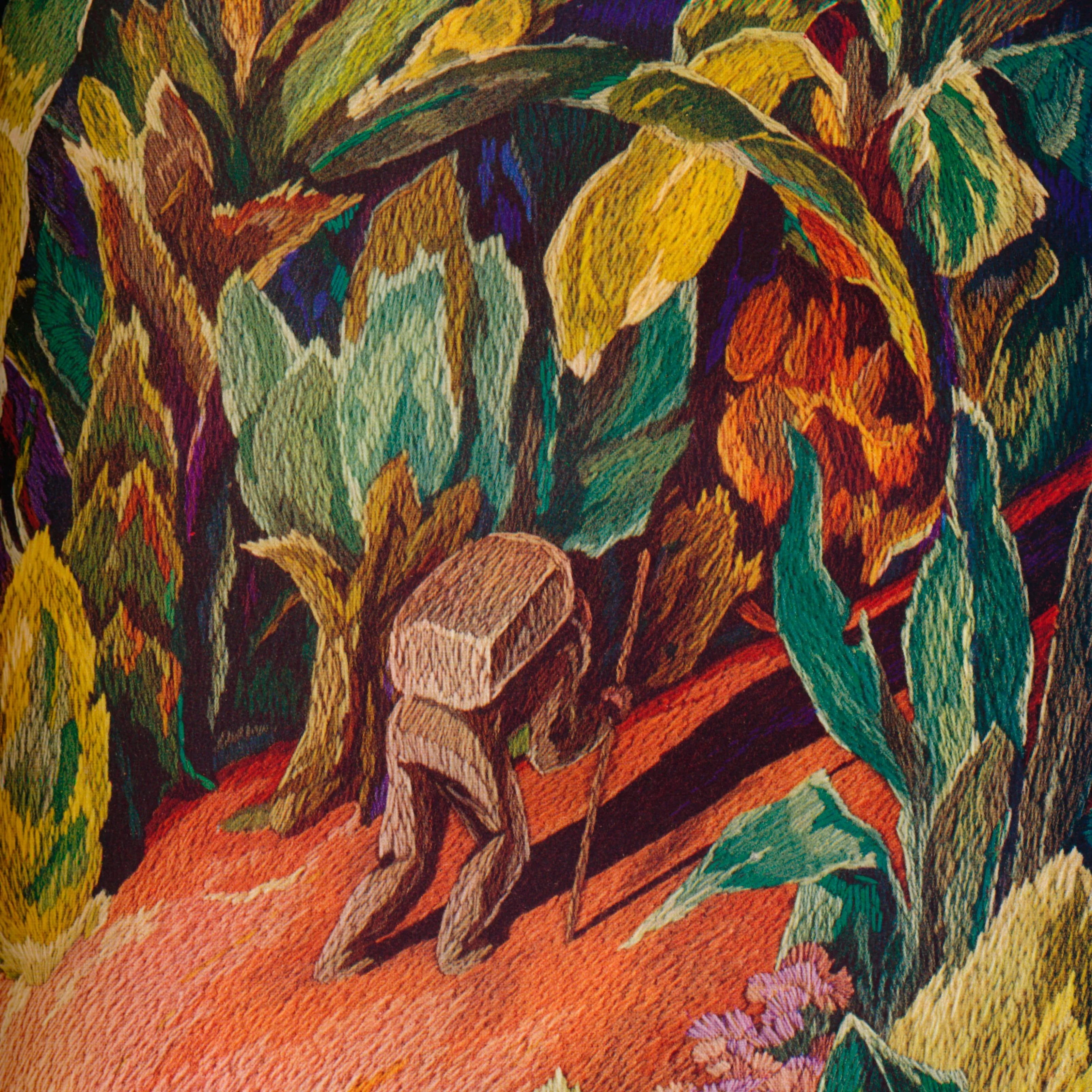
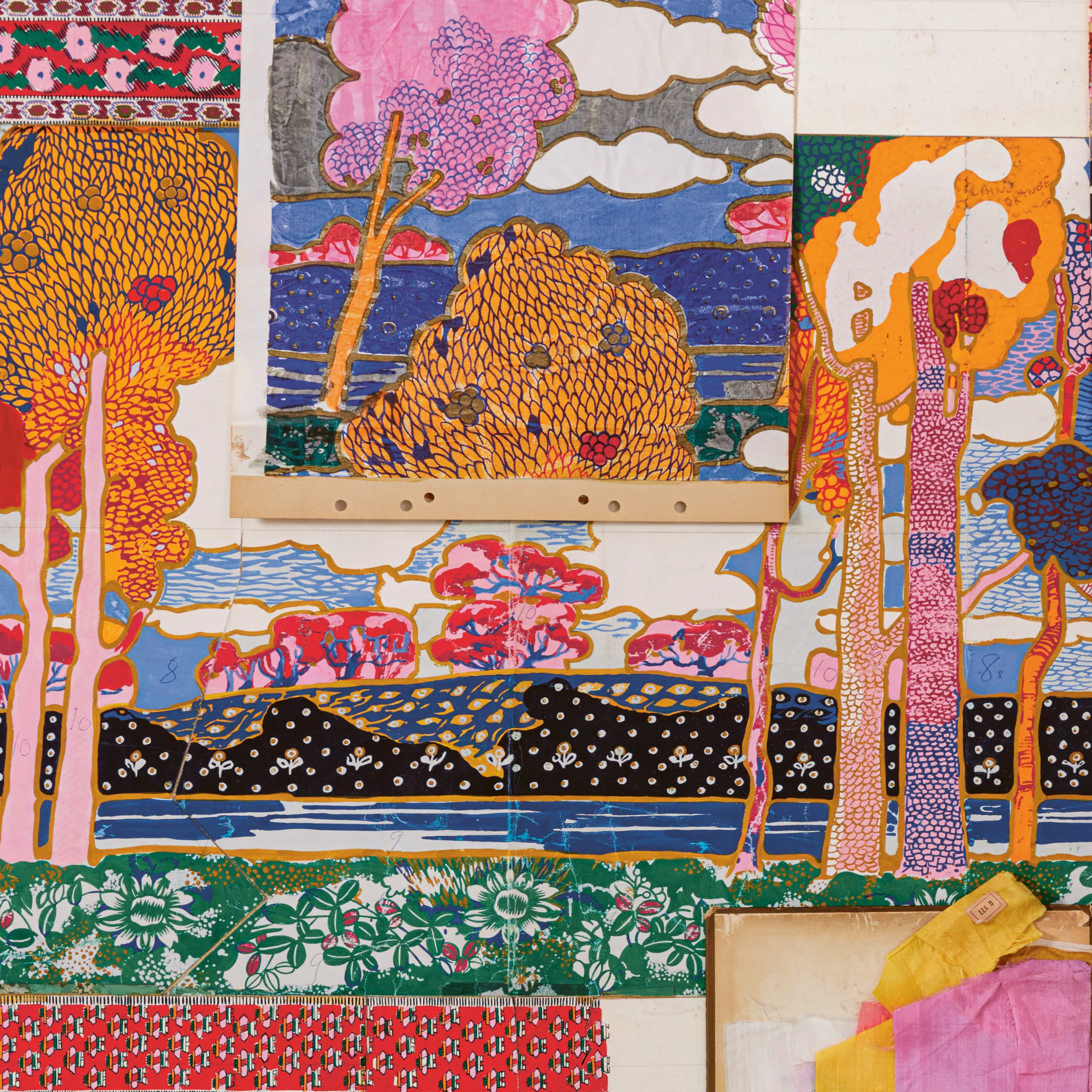
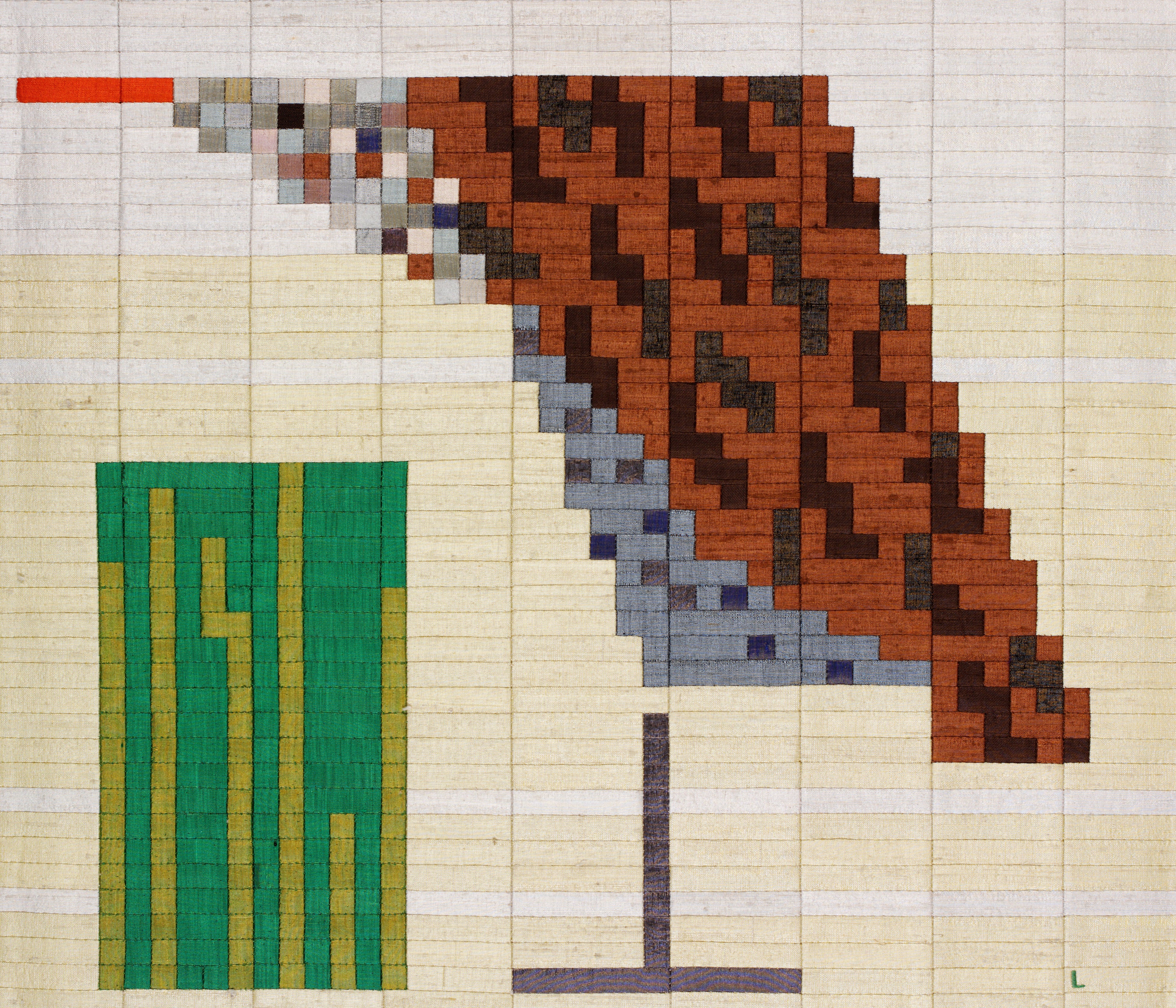
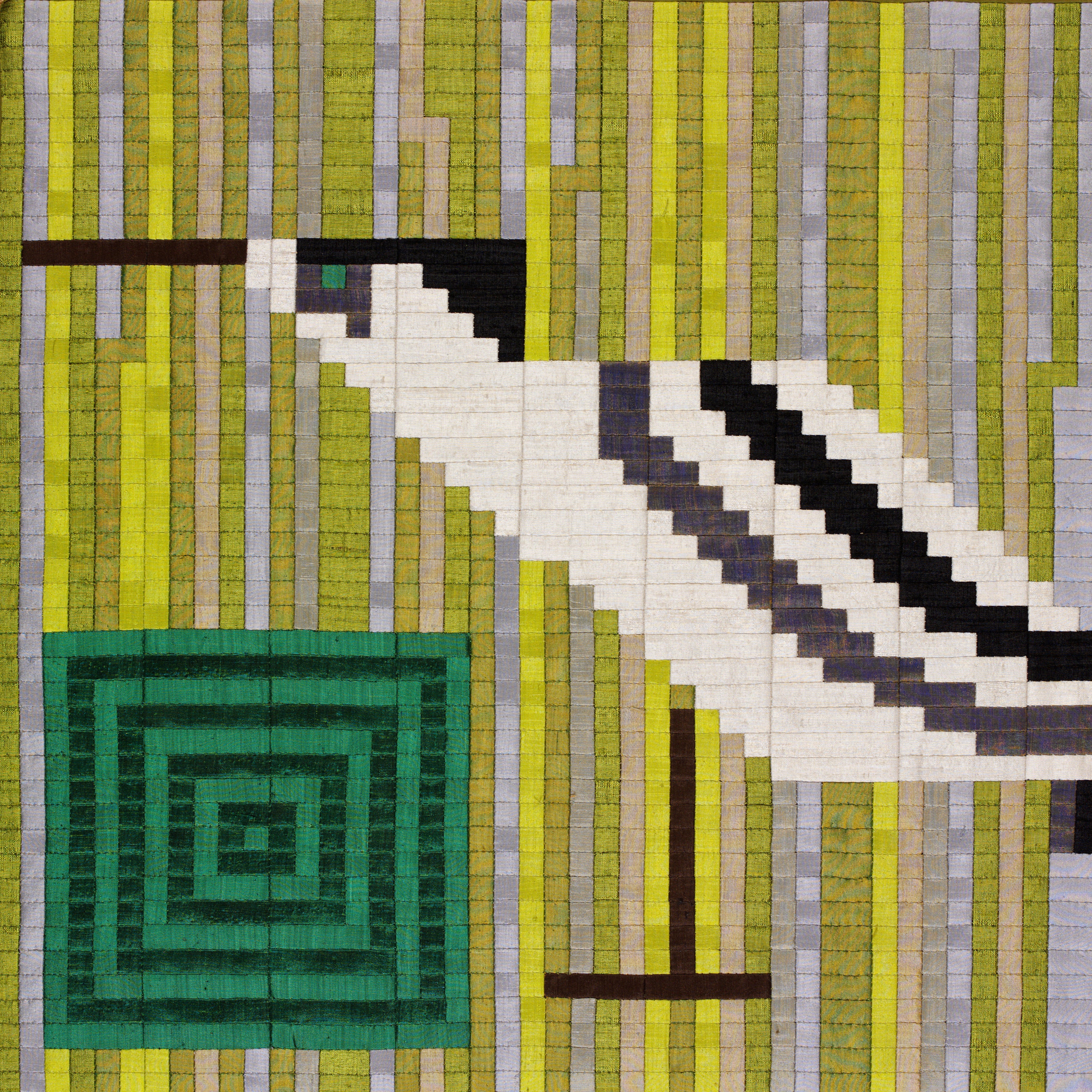
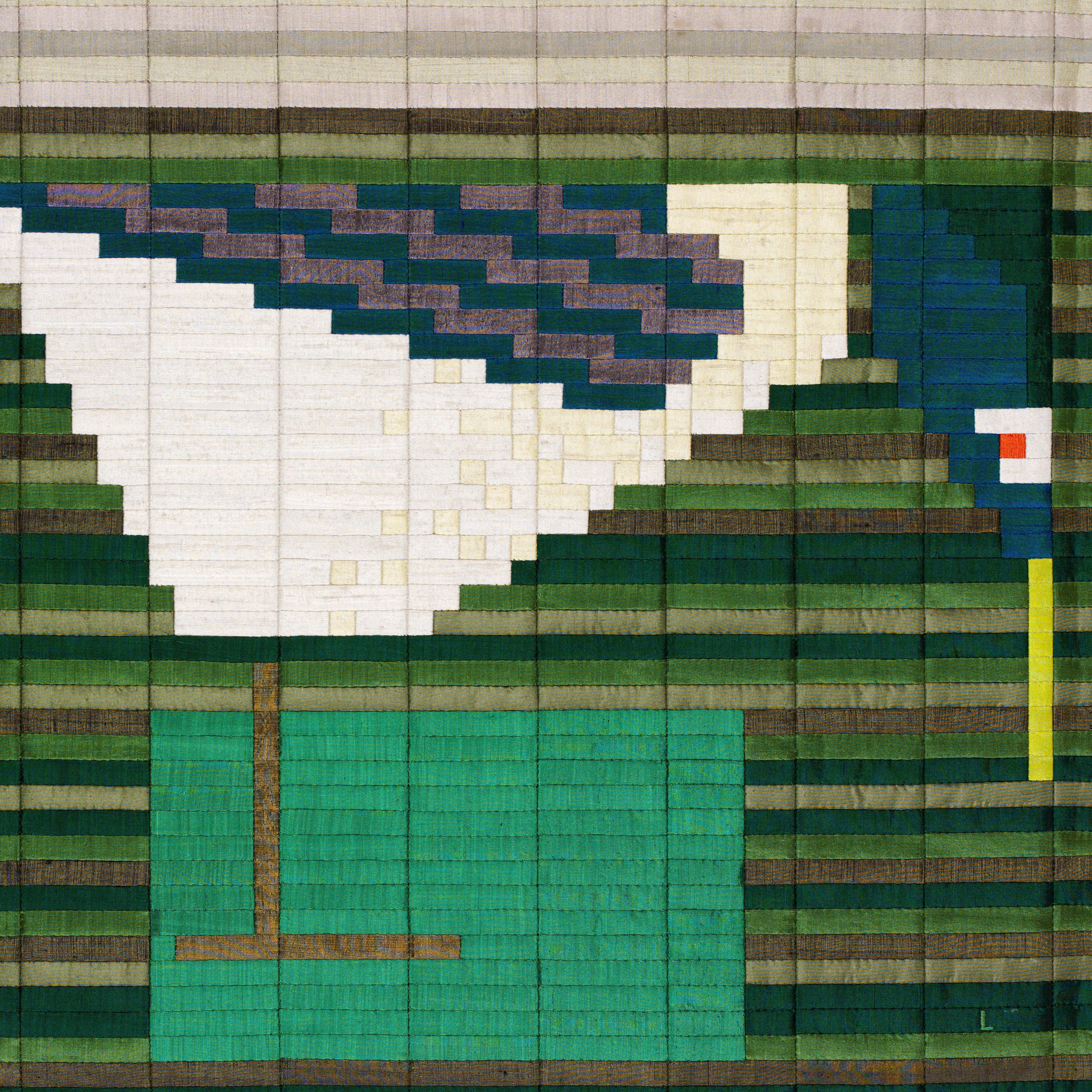
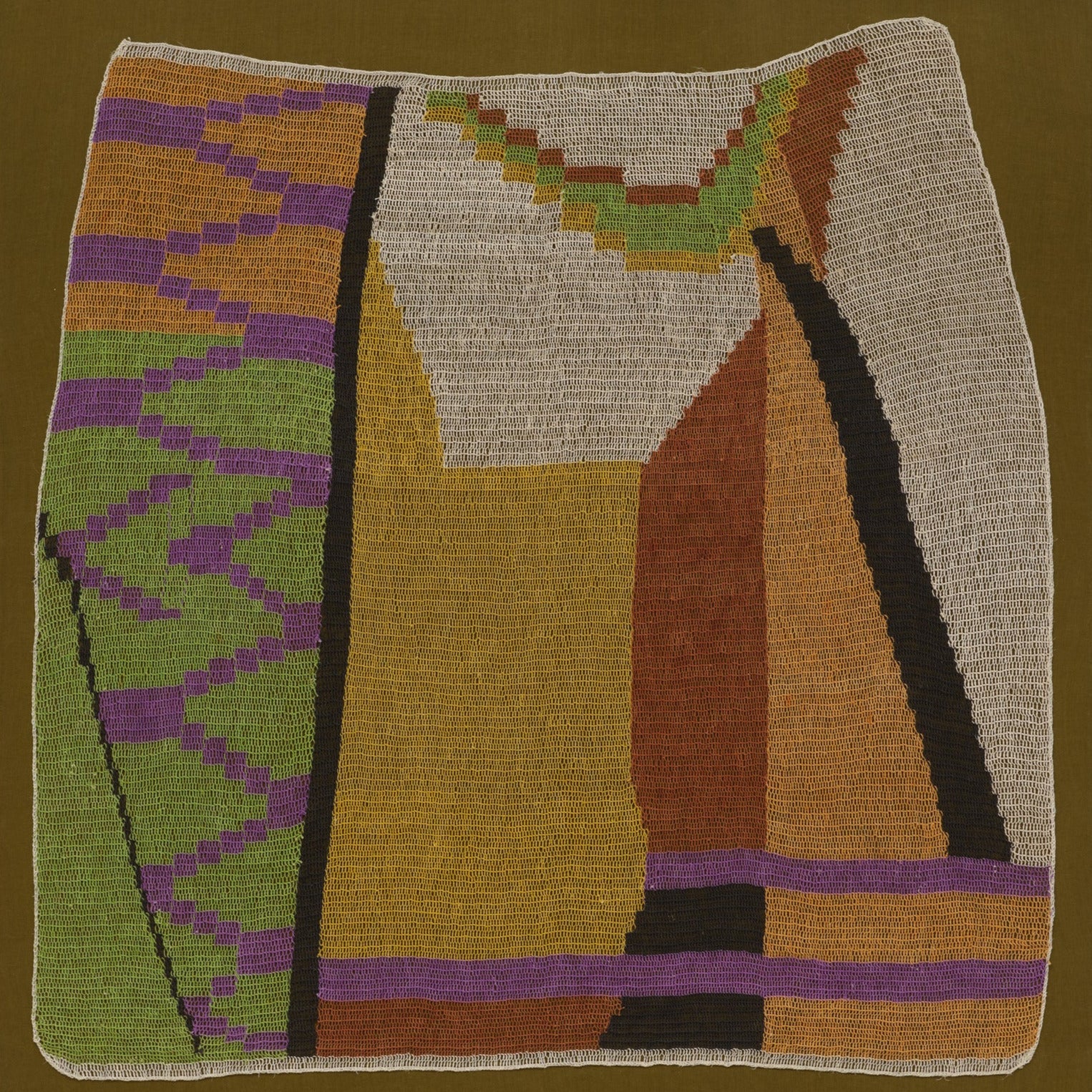
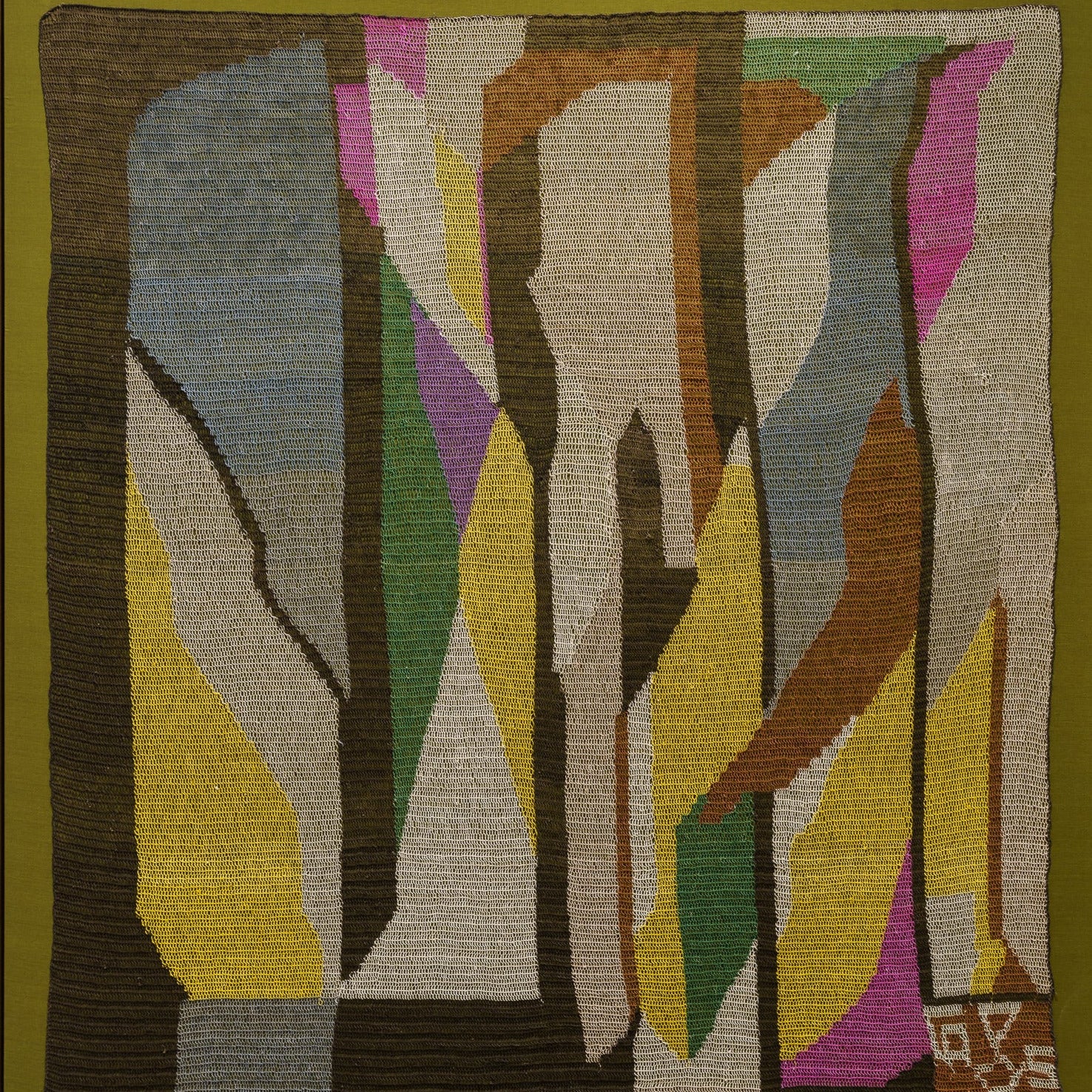
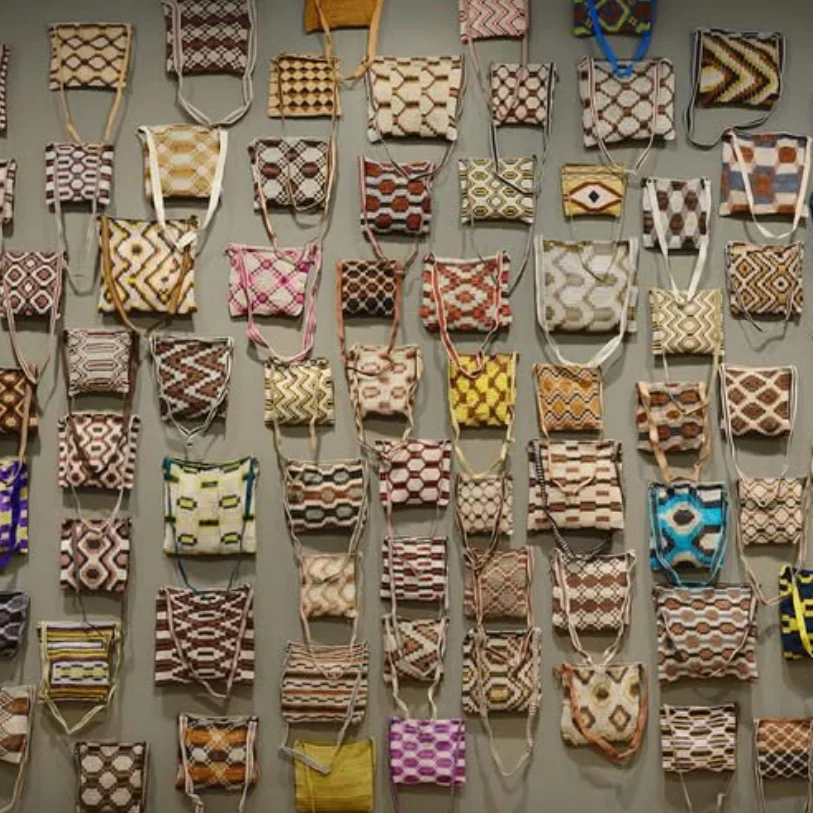
The Eameses illustrated this philosophy through their admiration for the Indian lota, a simple, spherical water vessel shaped over generations by countless hands. The lota’s form reflects how makers, through use and observation, introduced small but meaningful refinements. This process of adjustment and attunement lies at the heart of craft thinking. Nothing is ever truly finished; everything is in a continual state of becoming, a shared creation shaped by collective effort. This ethos of incremental, community-based refinement is reflected in the work of Indigenous Argentine makers, who find synergy with Bauhaus-trained designer Anni Albers, and in modernist Lucienne Day’s silk mosaics.
During time away this last year, I have longed for London and the vibrant textile community that calls it home. It is therefore a pleasure to see this creative spirit celebrated in London Textile Month. Throughout this issue, you will find listings for exhibitions, workshops, talks, and open studios, many of which are free and made possible by the dedication and goodwill of our community. I encourage you to support these efforts and take pride in the extraordinary creativity on our doorstep. If you cannot join us in London this year, we hope you will be able to engage with our online offerings.
Polly Leonard, Founder
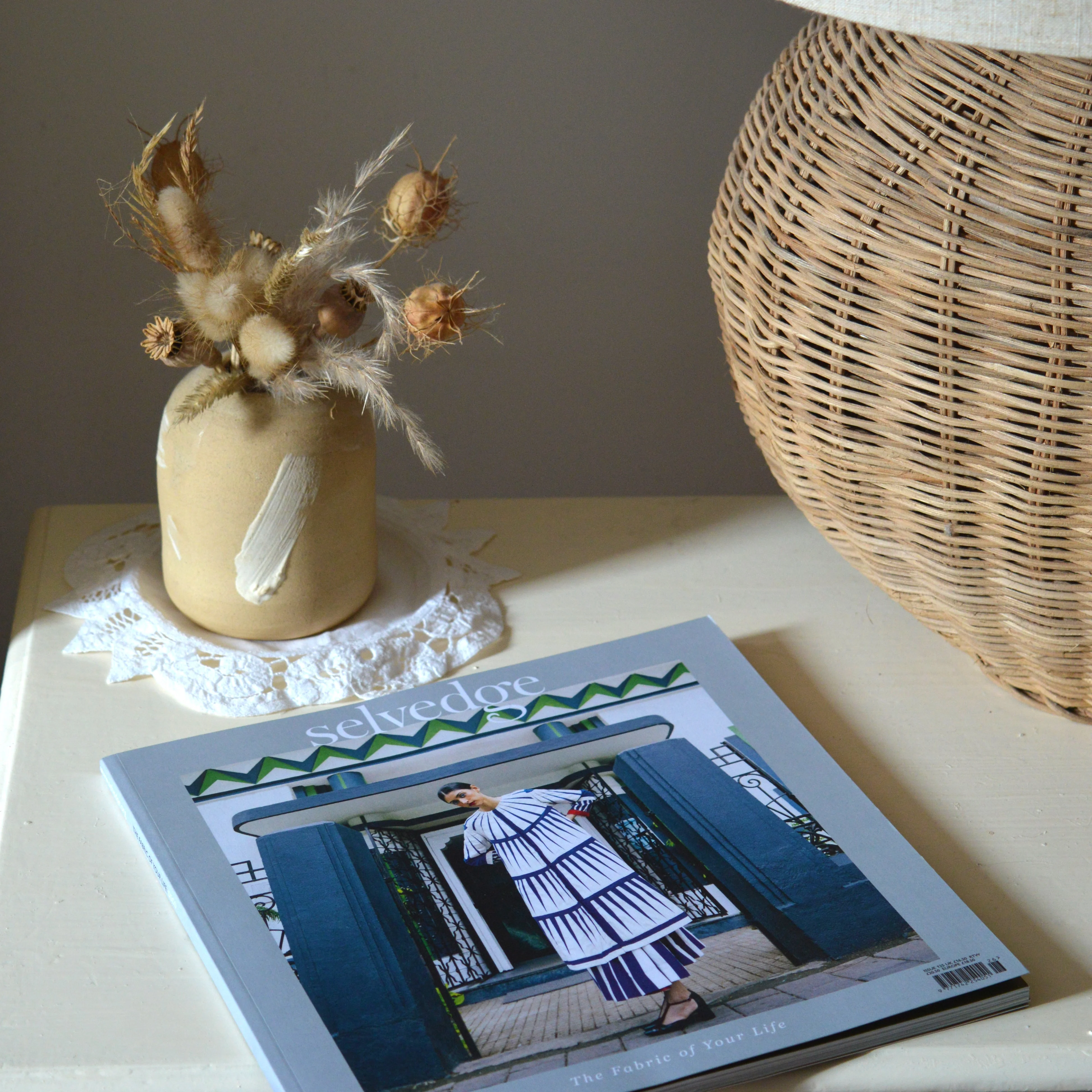
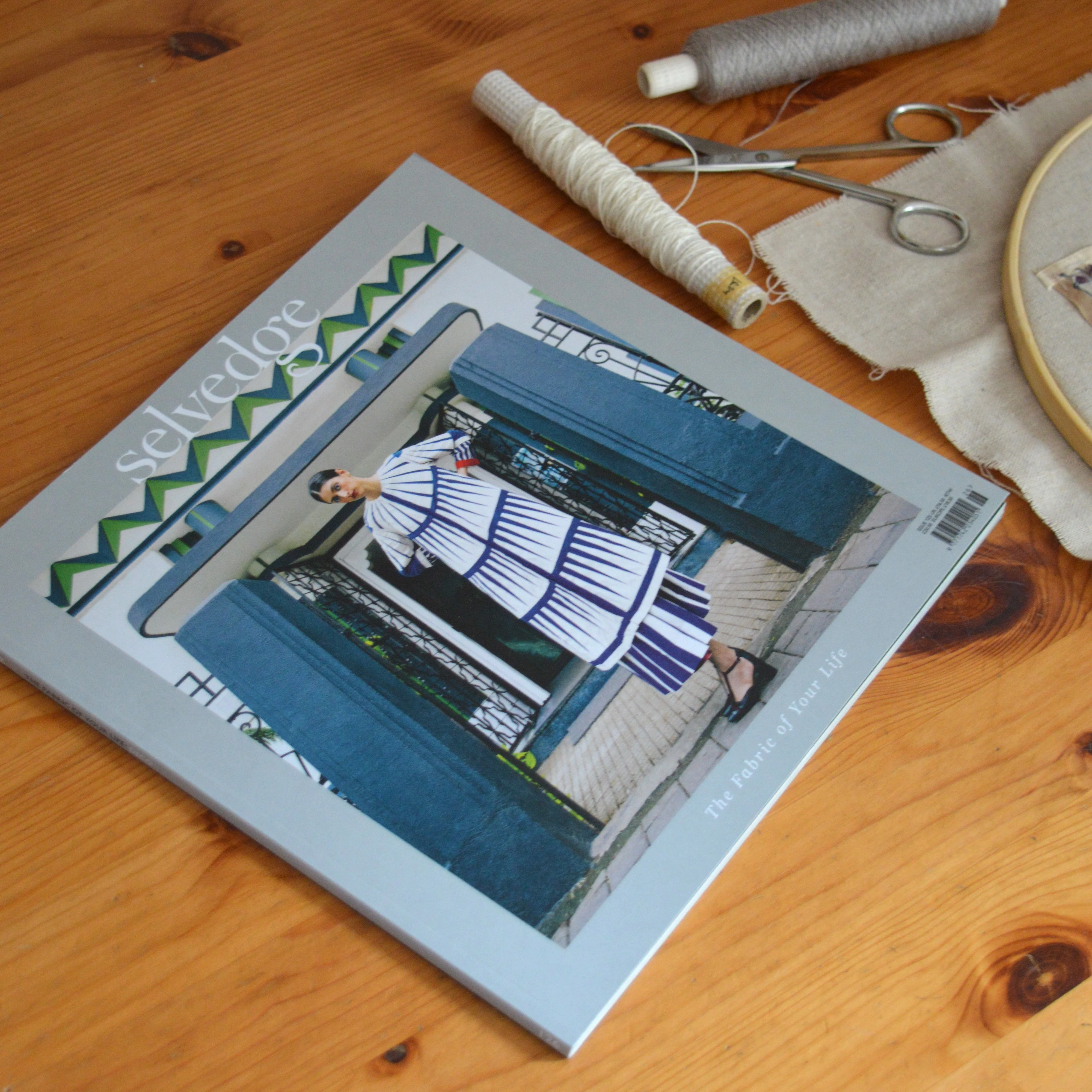
- Selvedge magazine comprises of 96 pages.
- Size 24 cm x 24 cm.
- Printed with soy-based inks on FSC certified paper which has been produced in an environmentally friendly, socially responsible and economically viable manner.
- Sent in biodegradable packaging.
- If you ordered a digital download of an issue, the link will be sent to you within 72 hours of your order.
- Shipping is included in your order. Print issues and Selvedge goods are sent by standard second class/international post for which we advise the delivery to the UK can take up to 14 days, Europe up to 21 days and Rest of World up to 28 days. In-transit tracking is not available. Orders of six of more back issues are sent via a tracked service.
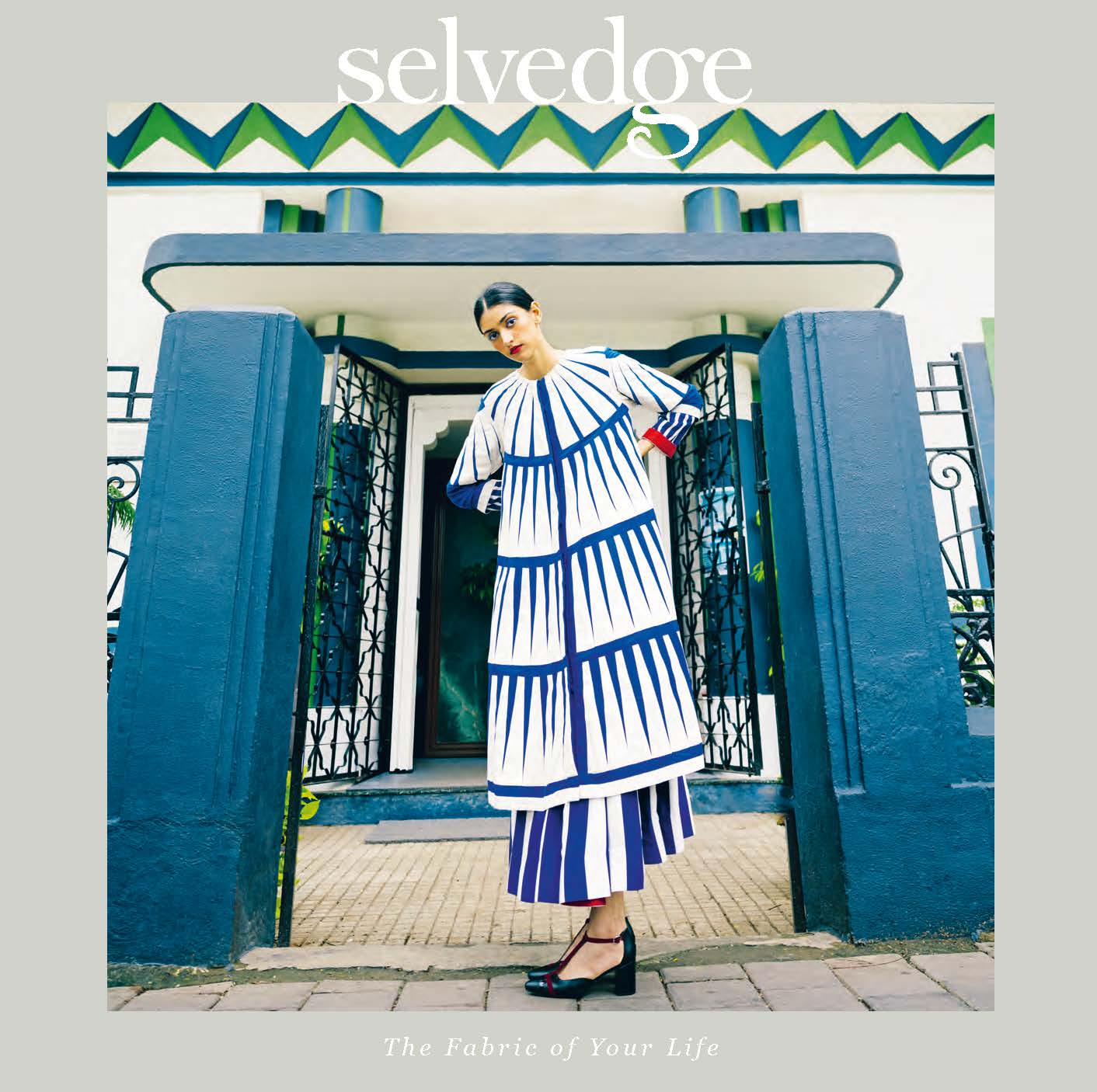
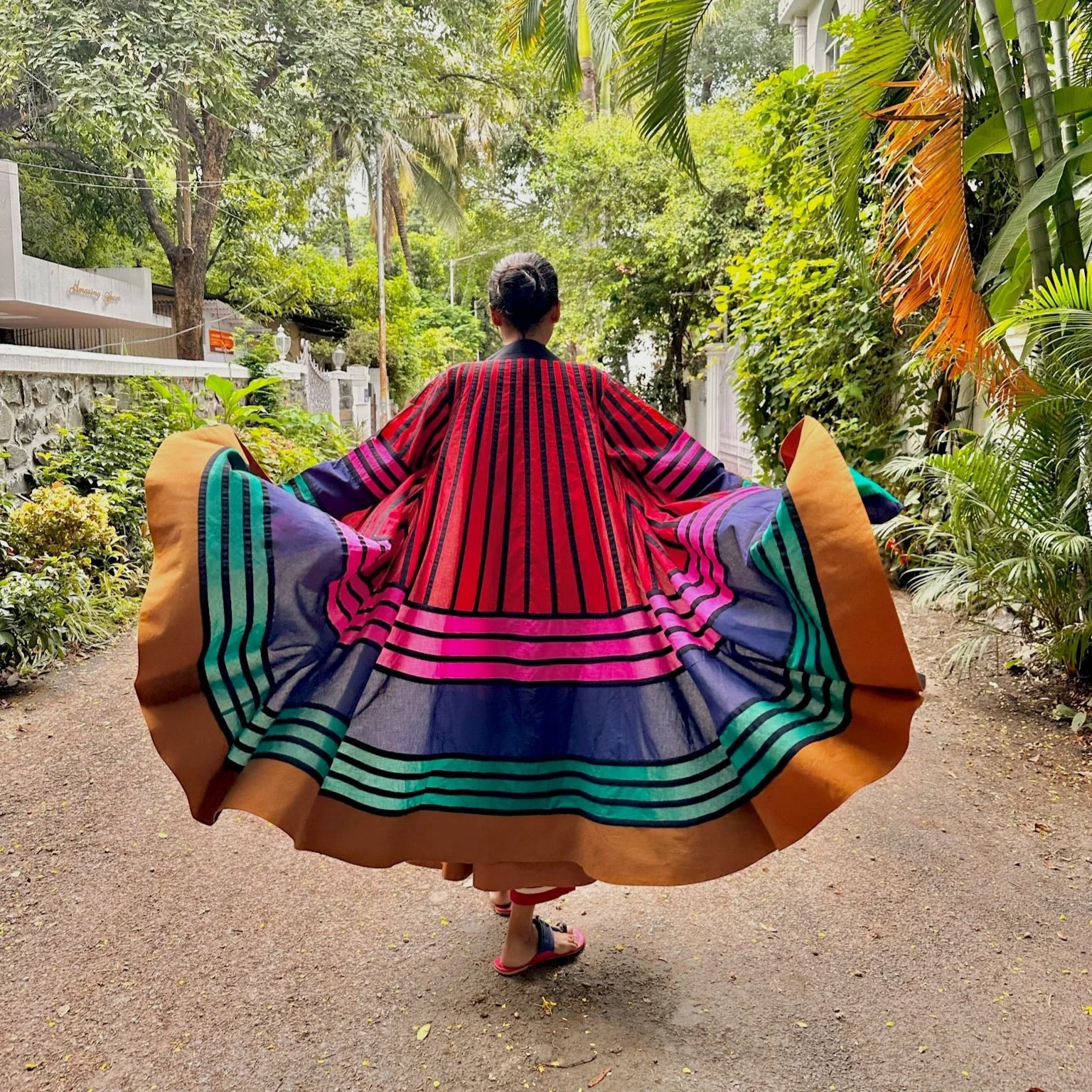
Cover Image Credits:
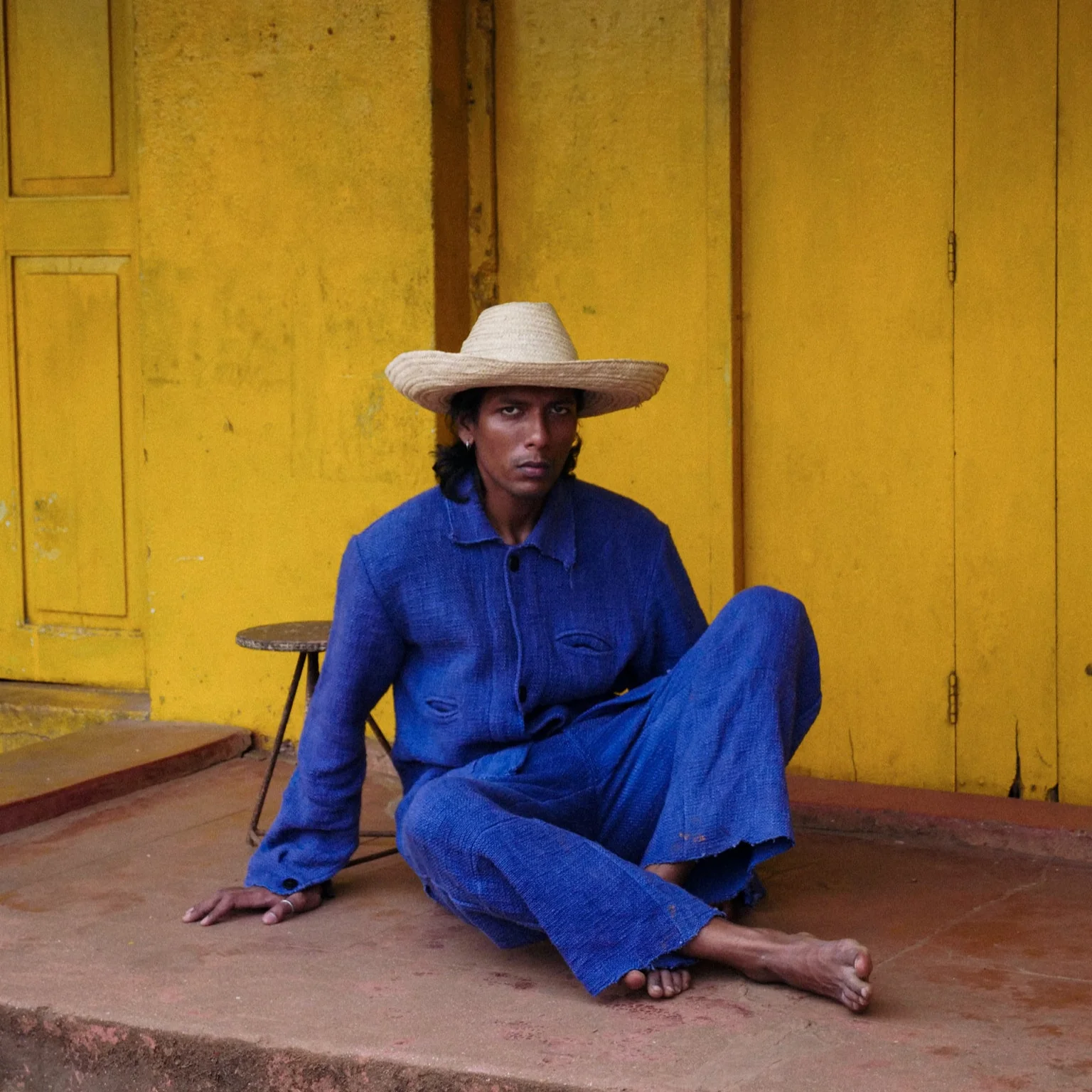
Ka-Sha Shoot
Creative Direction and Styling: Vinita Makhija @VinitaMakhija Photo: Hunar Daga @HunarDaga Model: Dhyany Vyas at Feat Artists @dhyany.vyas @Featartists Hair and make-up: Chriselle Baptista @chrissybaps.
Product Information
Product Information
Shipping & Returns
Shipping & Returns
Description
The 1925 International Exhibition of Modern Decorative and Industrial Arts in Paris attracted 16 million visitors and marked a decisive turning point in design history. It severed ties with traditional aesthetics and championed the transformative power of design in shaping modern life. The exhibition’s emphasis on ornamentation and luxurious materials continues to resonate today, from the exuberant Art Deco architecture of Miami and Mumbai to the meticulously restored carriages of the Venice Simplon-Orient-Express, which still carries passengers along a steel ribbon from Paris to Istanbul.
While Art Deco’s focus on surface decoration and opulence contrasted with modernism’s minimalism, the two movements shared a preoccupation with geometry, order, and clarity, hallmarks of modernist aesthetics. The 1925 exhibition provided a crucial platform where these philosophies could coexist, interact, and, at times, merge. Art Deco practitioners adopted certain modernist principles of structure and restraint, while Bauhaus designers acknowledged the power of visual appeal and ornamentation as integral to an object’s integrity.
Founded in 1919, the Bauhaus – the German state school of art, design, and architecture – advocated for practical, affordable objects that were also beautiful. Bauhaus designers employed industrial materials and addressed the challenges of mass production, which eventually led to the synthetic revolution as described by Claire Wellesley Smith in her article “Slippery Thread.” Their guiding principle, functionalism, asserted that form must follow function, shaped by the object’s intended use and the inherent properties of its materials. This idea of integrity in design has endured across the last century and continues to influence contemporary makers whose work is rooted in Bauhaus principles. Radhi Parekh highlights that contemporary designers from around the world are all deeply engaged with colour theory and material exploration in her article The Colourful Everyday
In India, the Bauhaus legacy resonated powerfully in the founding of the National Institute of Design (NID) in Ahmedabad. Established in 1961, NID was shaped by The India Report, written in 1958 by American designers Charles and Ray Eames. Commissioned by the Government of India, the Eameses immersed themselves in the daily lives of Indian craft communities. Their report remains as relevant today as when it was written, offering a thoughtful meditation on the relationship between craft and community. They observed that in tradition-oriented societies, decisions are often unconscious and embedded in custom, an environment where handicraft flourishes. Change, they argued, occurs gradually, through “degrees,” punctuated by occasional, transformative “moments of violence.”
The Eameses illustrated this philosophy through their admiration for the Indian lota, a simple, spherical water vessel shaped over generations by countless hands. The lota’s form reflects how makers, through use and observation, introduced small but meaningful refinements. This process of adjustment and attunement lies at the heart of craft thinking. Nothing is ever truly finished; everything is in a continual state of becoming, a shared creation shaped by collective effort. This ethos of incremental, community-based refinement is reflected in the work of Indigenous Argentine makers, who find synergy with Bauhaus-trained designer Anni Albers, and in modernist Lucienne Day’s silk mosaics.
During time away this last year, I have longed for London and the vibrant textile community that calls it home. It is therefore a pleasure to see this creative spirit celebrated in London Textile Month. Throughout this issue, you will find listings for exhibitions, workshops, talks, and open studios, many of which are free and made possible by the dedication and goodwill of our community. I encourage you to support these efforts and take pride in the extraordinary creativity on our doorstep. If you cannot join us in London this year, we hope you will be able to engage with our online offerings.
Polly Leonard, Founder
- Selvedge magazine comprises of 96 pages.
- Size 24 cm x 24 cm.
- Printed with soy-based inks on FSC certified paper which has been produced in an environmentally friendly, socially responsible and economically viable manner.
- Sent in biodegradable packaging.
- If you ordered a digital download of an issue, the link will be sent to you within 72 hours of your order.
- Shipping is included in your order. Print issues and Selvedge goods are sent by standard second class/international post for which we advise the delivery to the UK can take up to 14 days, Europe up to 21 days and Rest of World up to 28 days. In-transit tracking is not available. Orders of six of more back issues are sent via a tracked service.
Cover Image Credits:
Ka-Sha Shoot
Creative Direction and Styling: Vinita Makhija @VinitaMakhija Photo: Hunar Daga @HunarDaga Model: Dhyany Vyas at Feat Artists @dhyany.vyas @Featartists Hair and make-up: Chriselle Baptista @chrissybaps.