














Issue 123 Silk Road

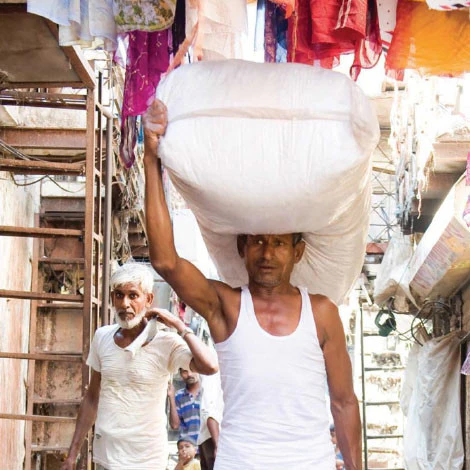
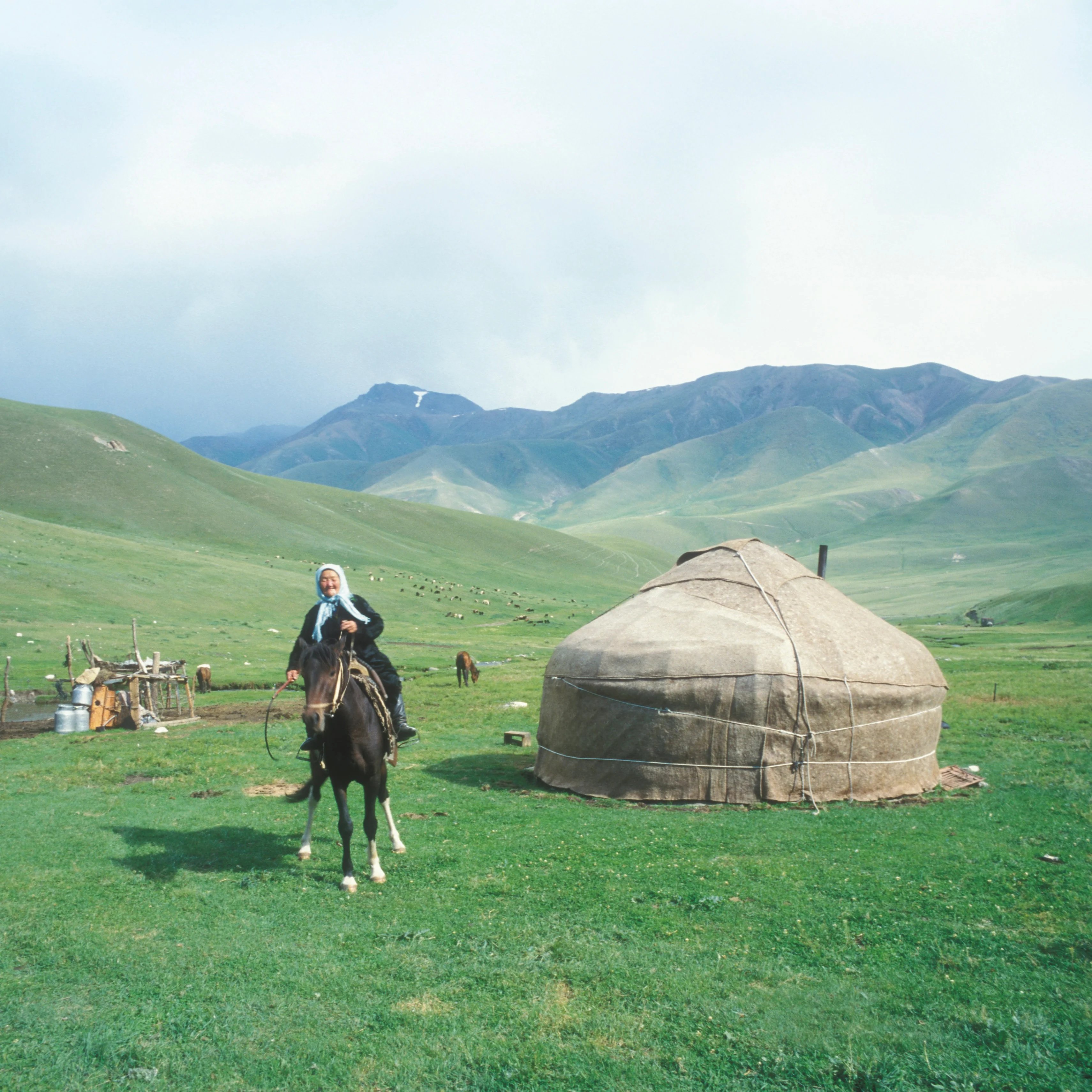
Camel caravans crossing desert dunes, merchants trading silks at bazaars – these are the stereotypical images that come to mind when we think of the Silk Roads. But the reality goes far beyond these tropes. Rather than a single trade route from East to West, the Silk Roads comprised overlapping networks linking communities across Asia, Africa, and Europe, from Japan to Britain, Scandinavia to Madagascar.
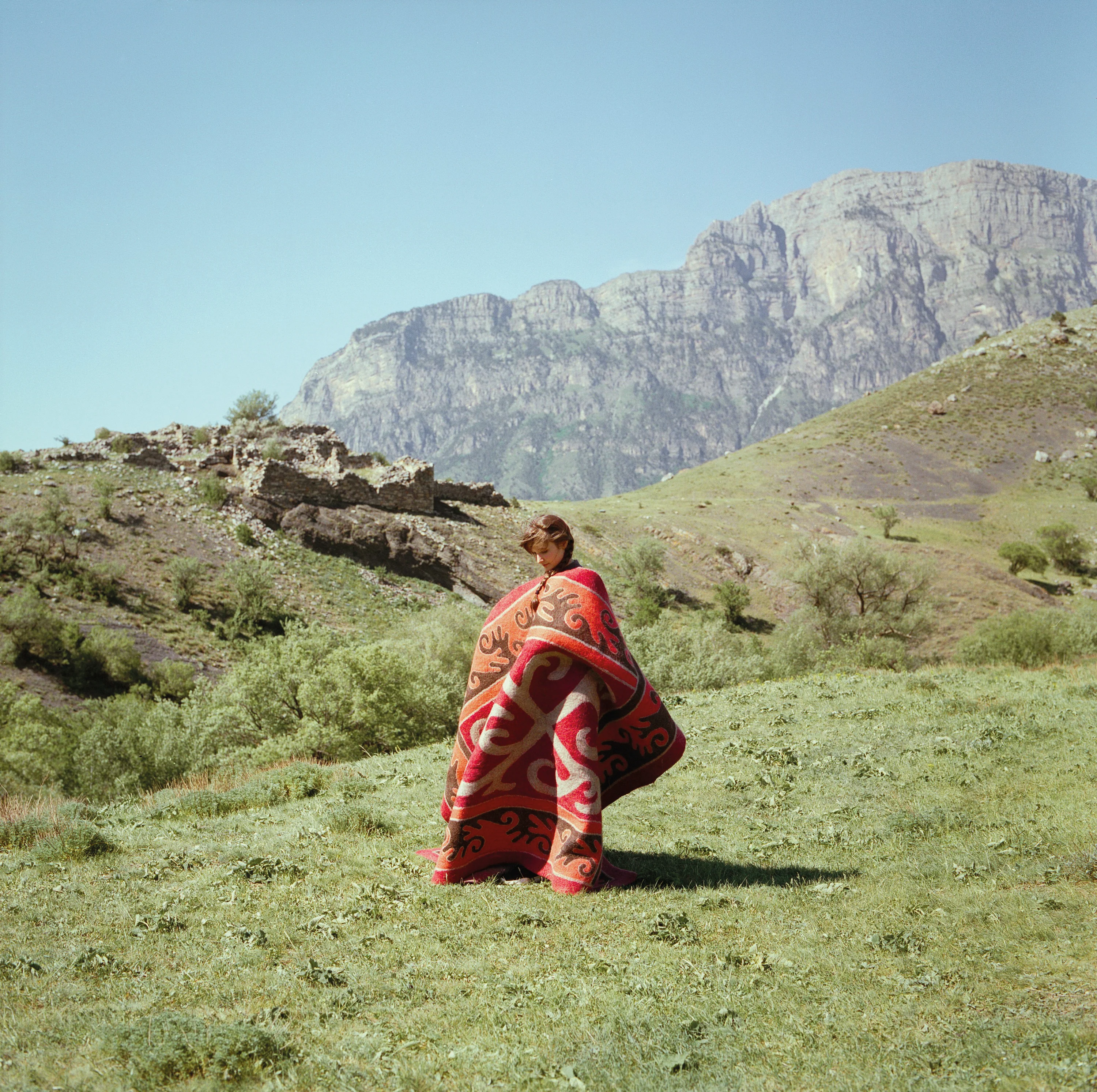
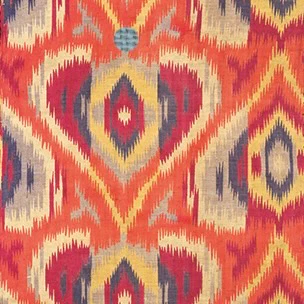
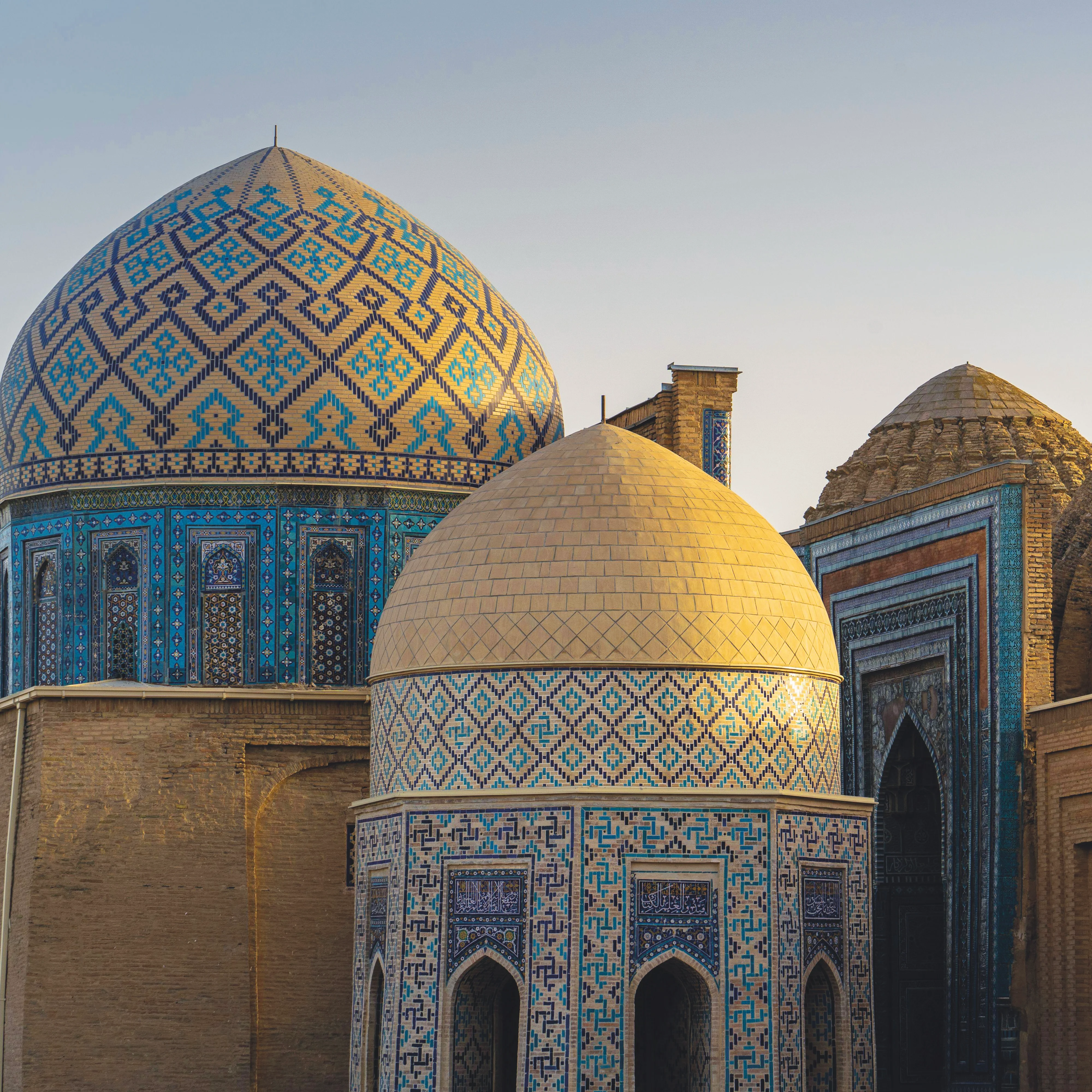
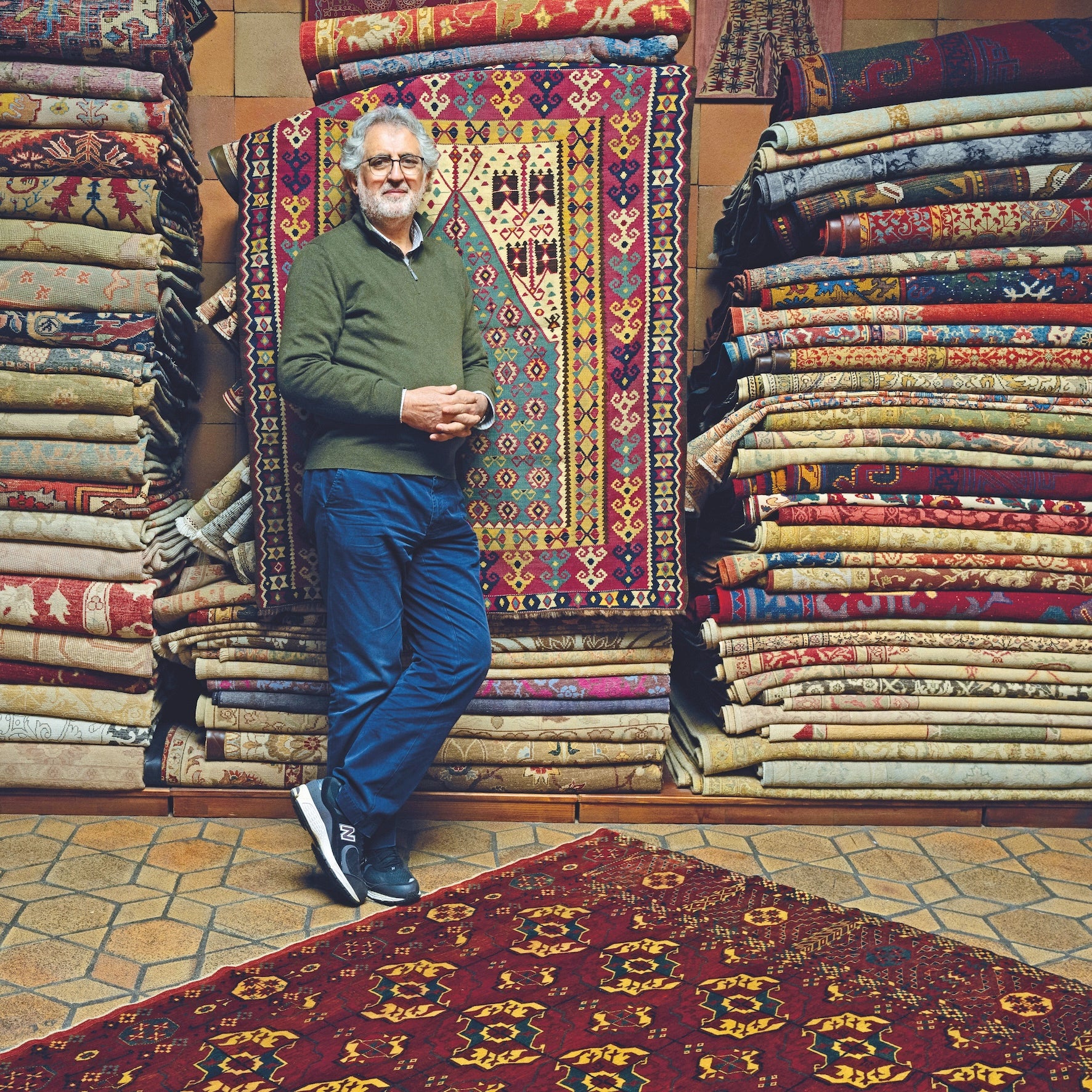
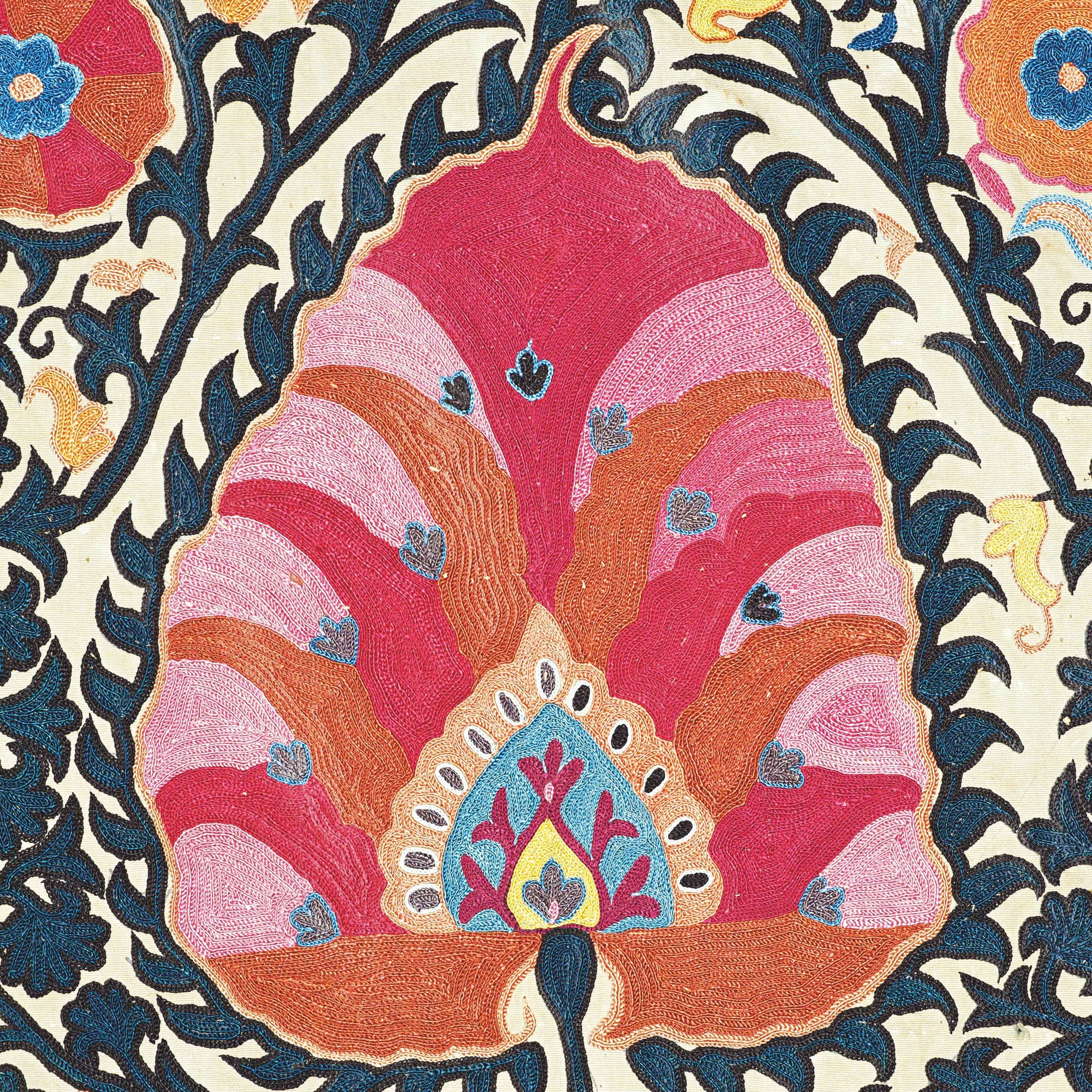
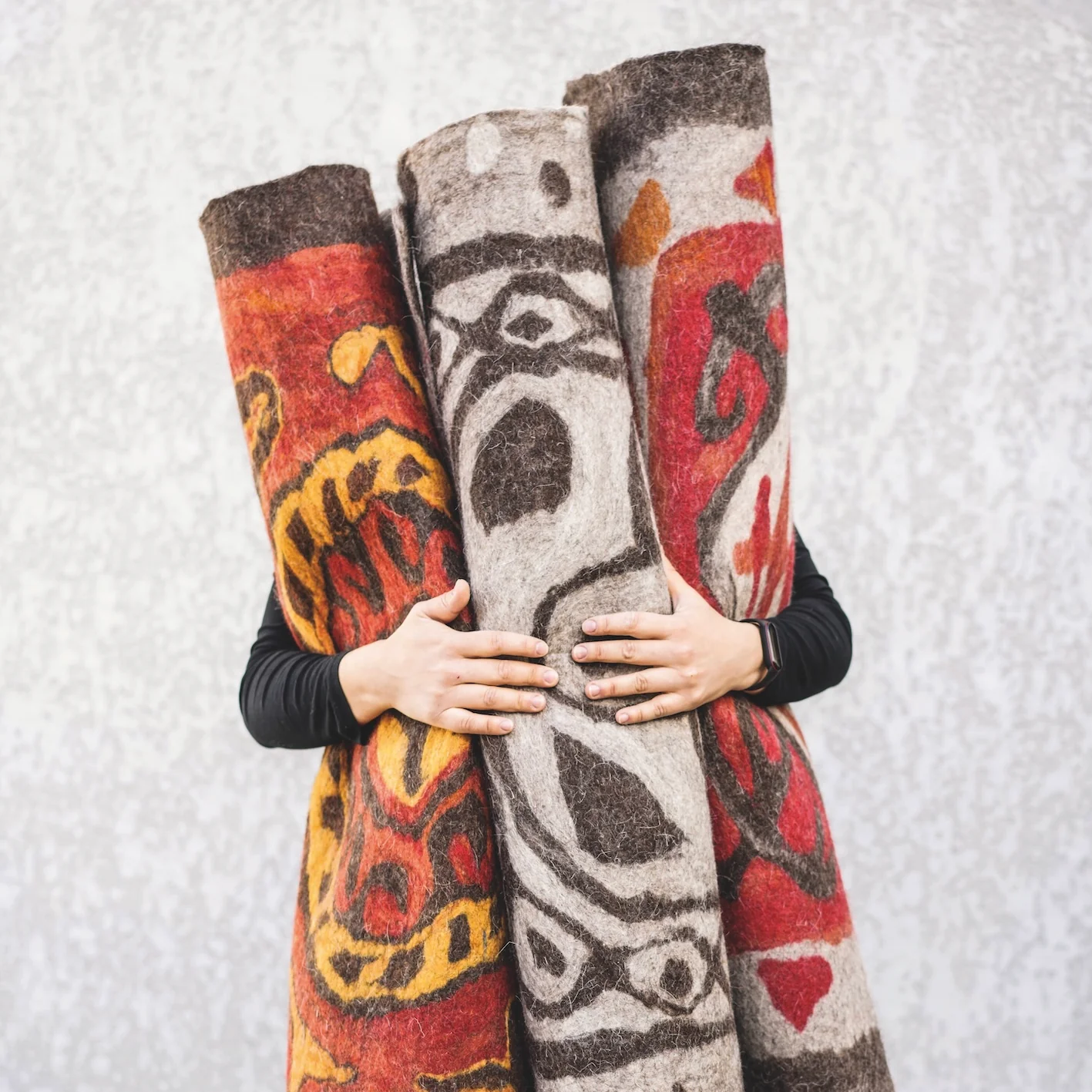
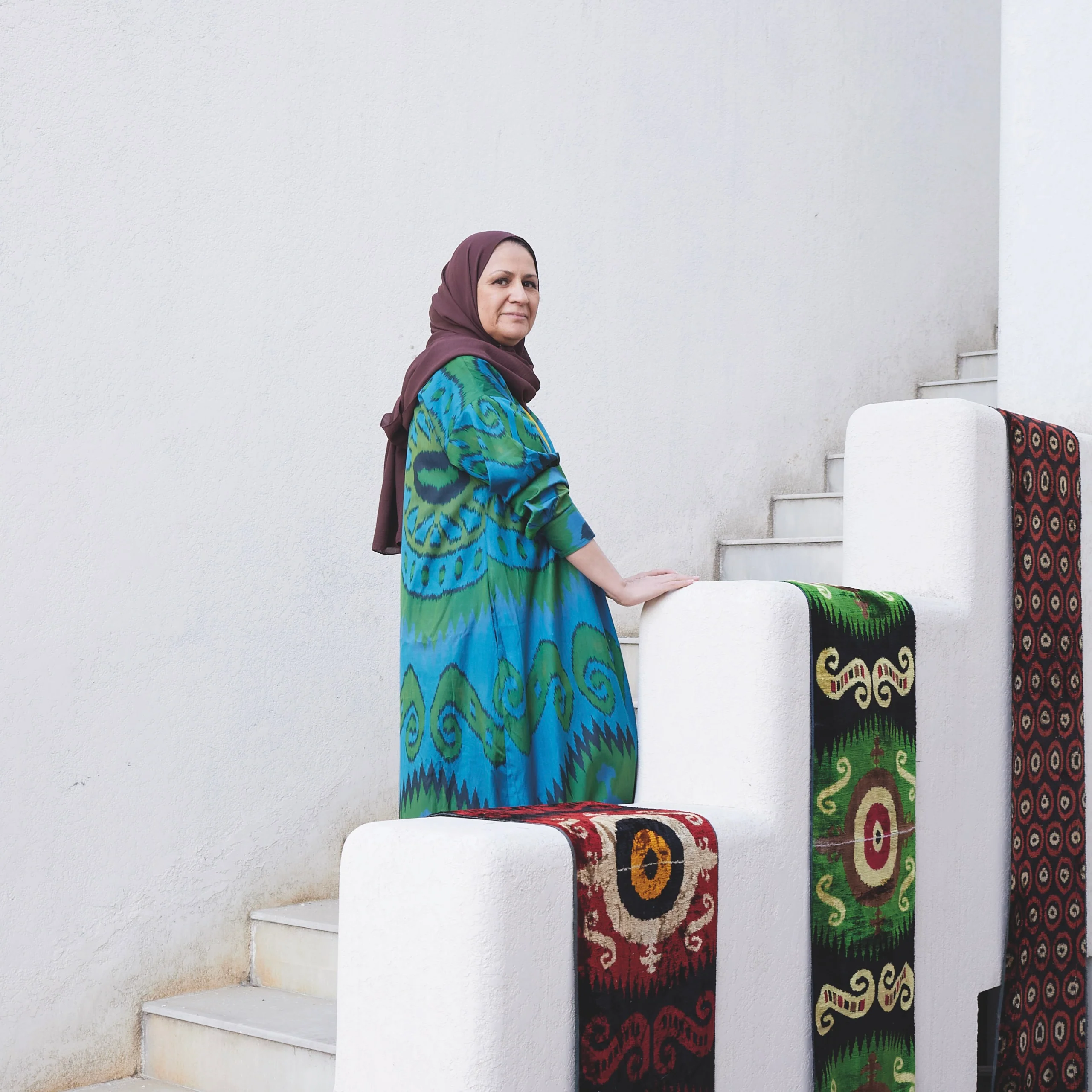
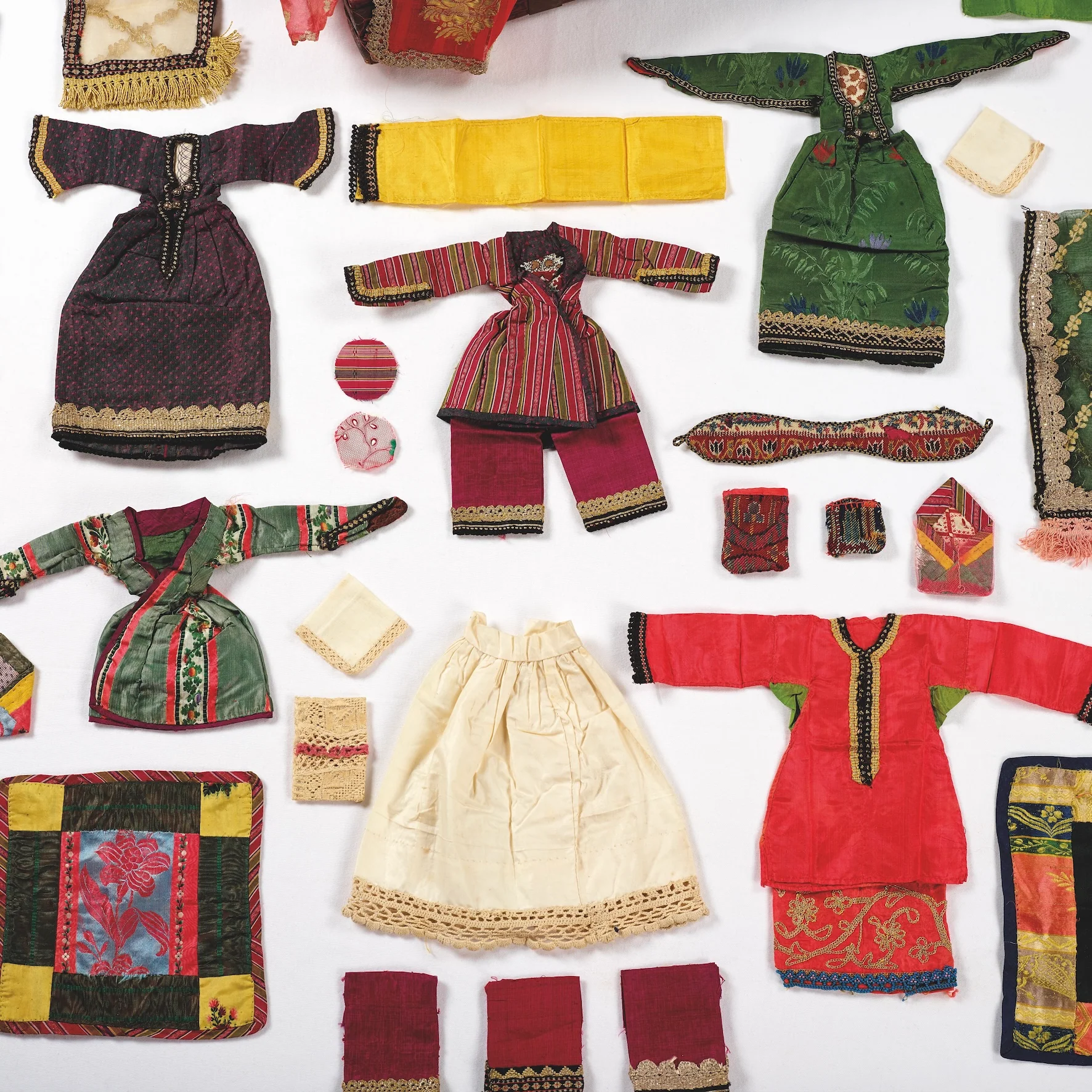
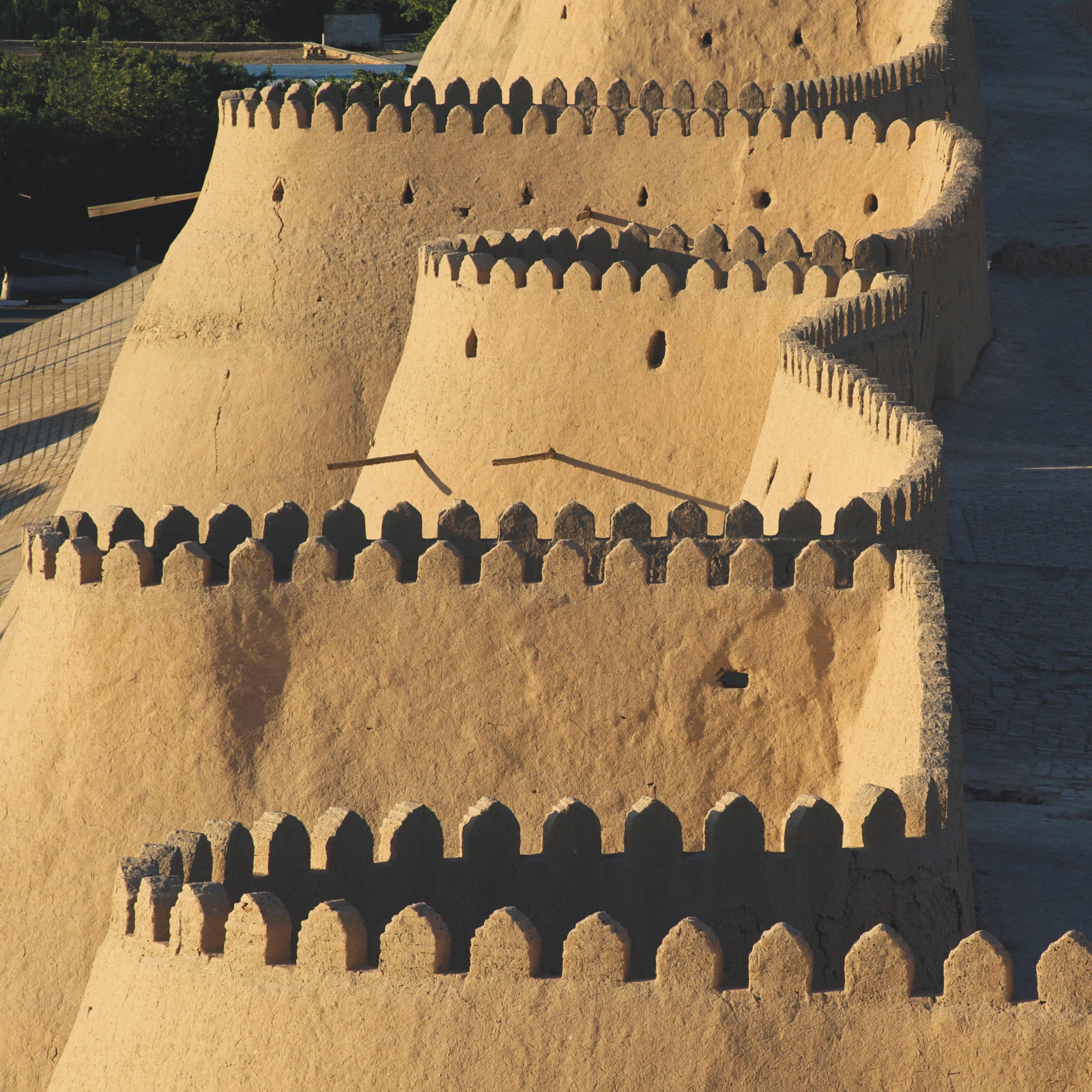
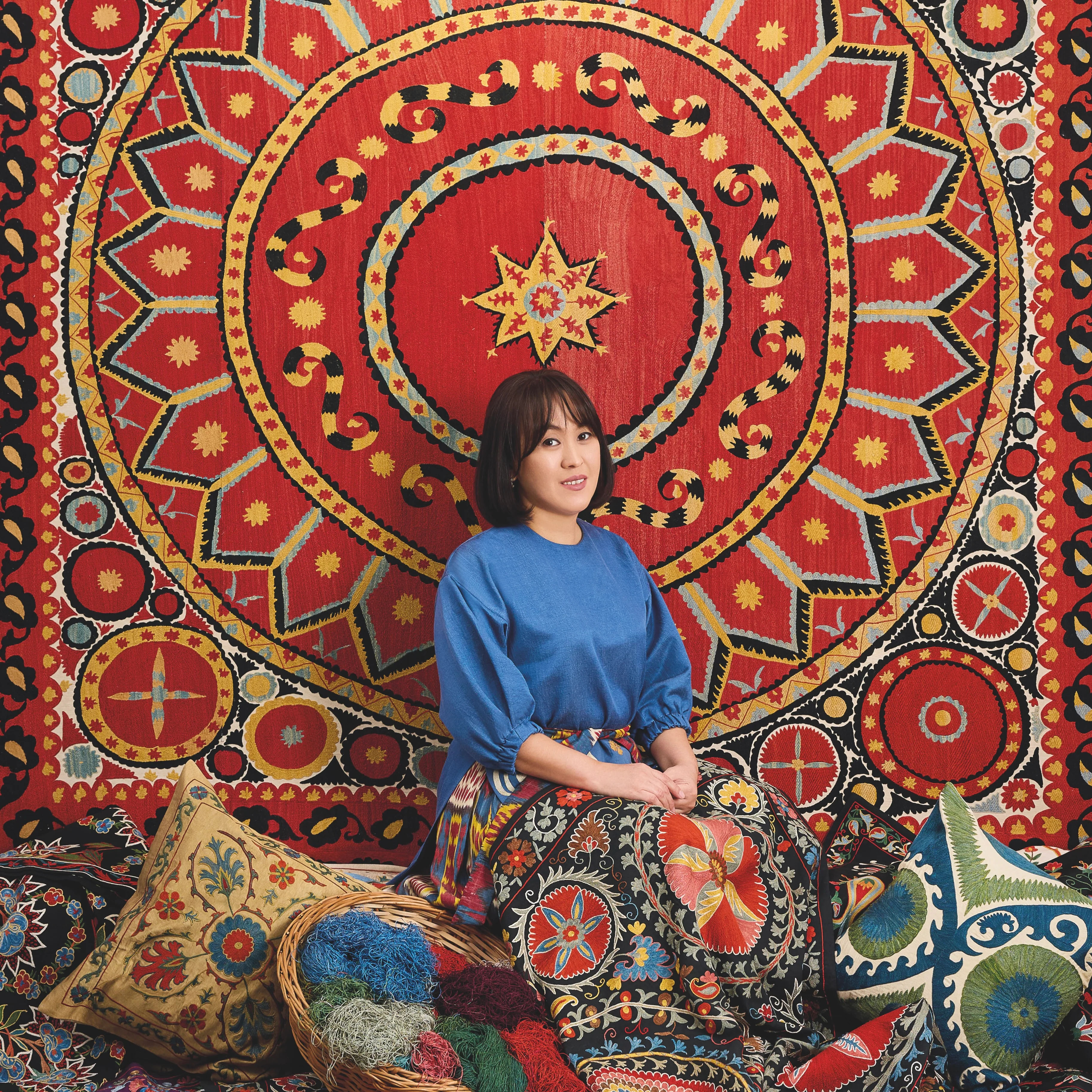
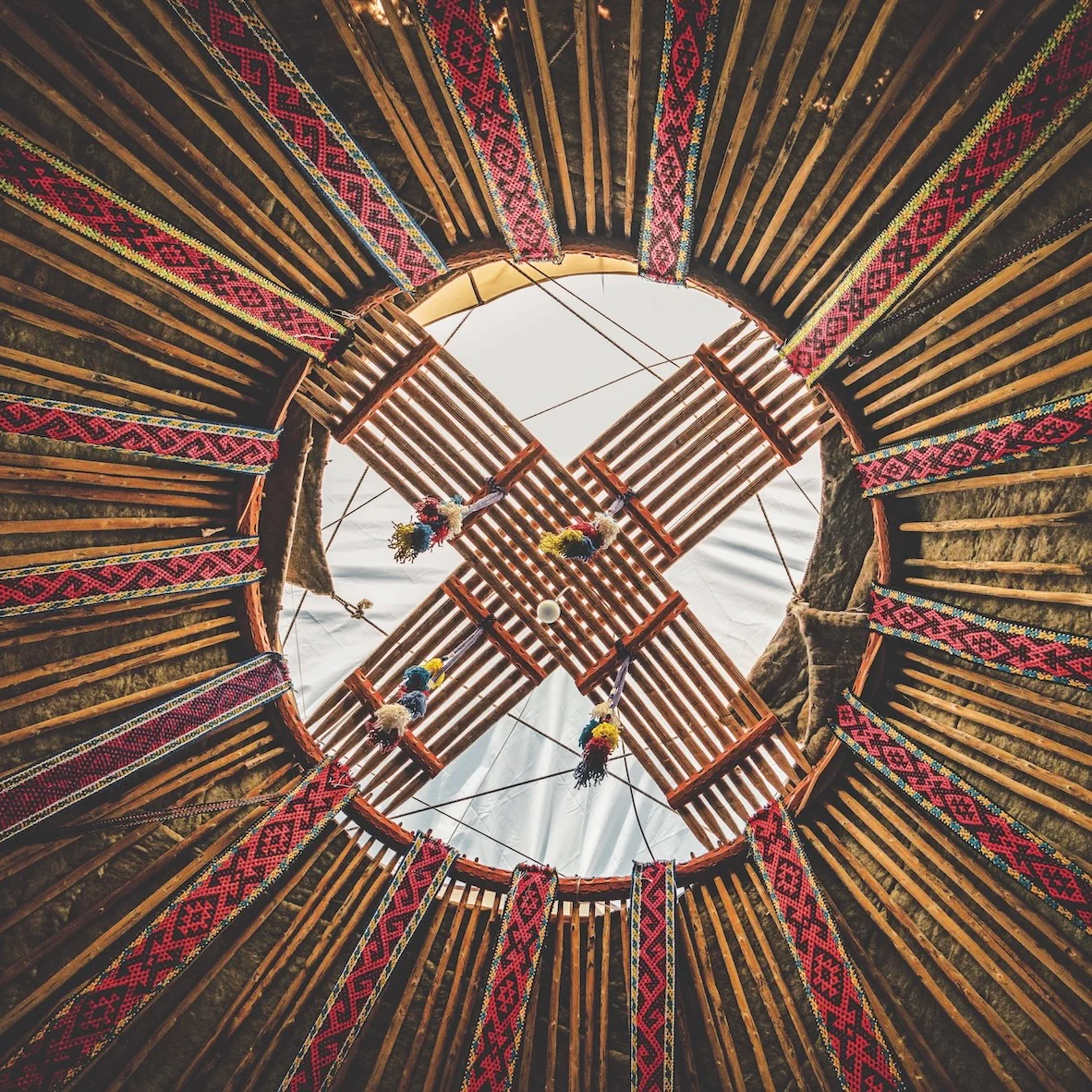
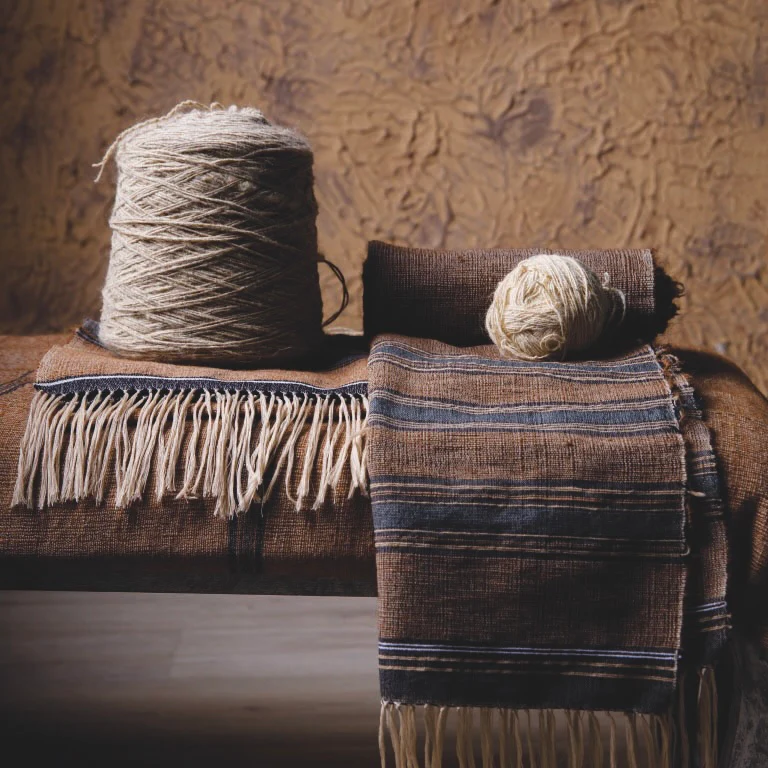
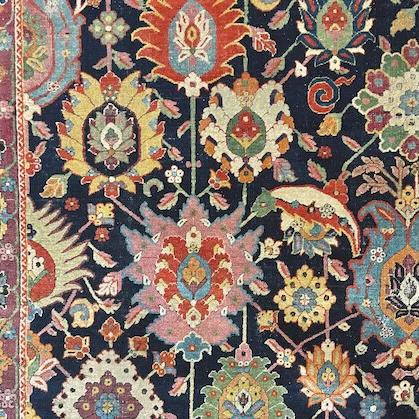
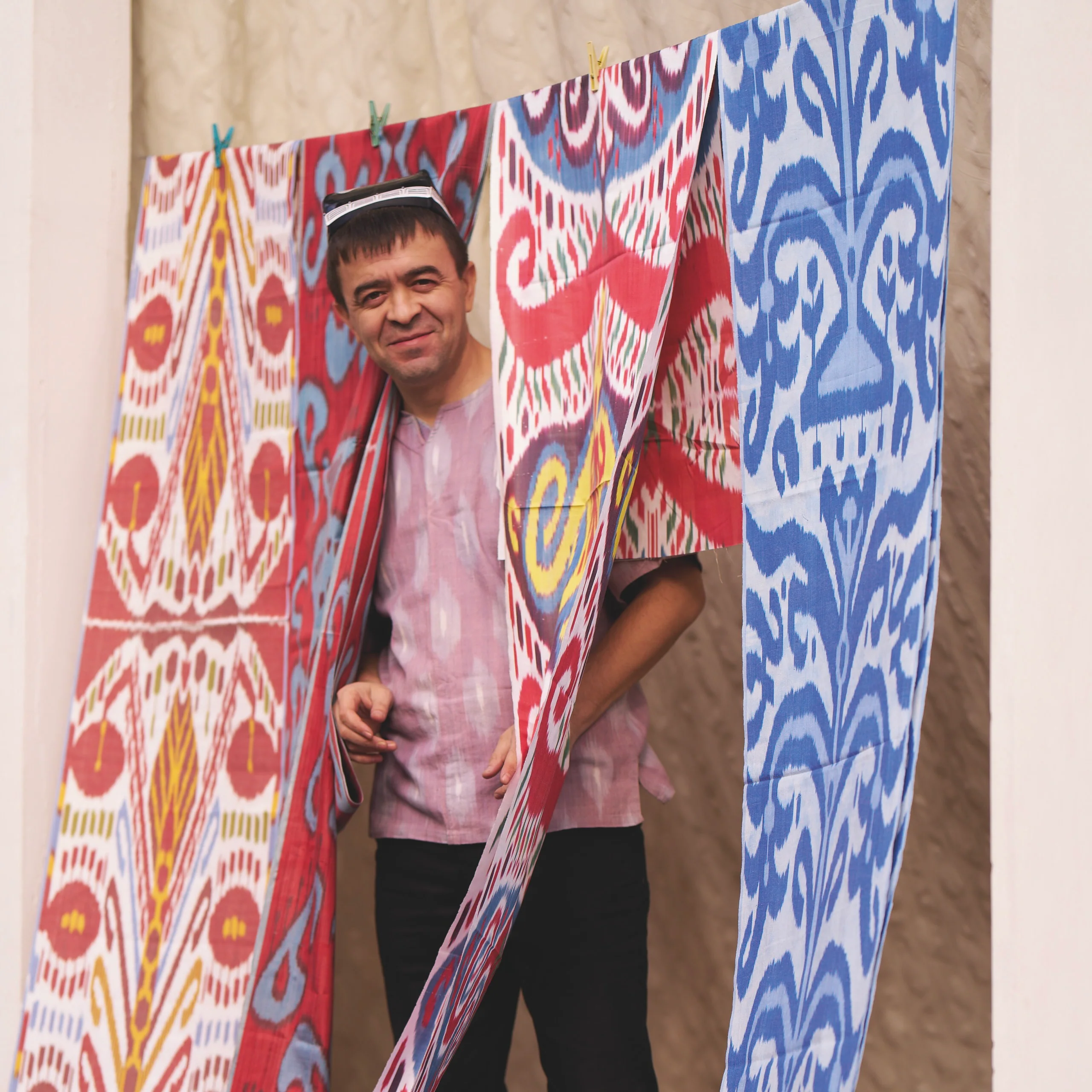
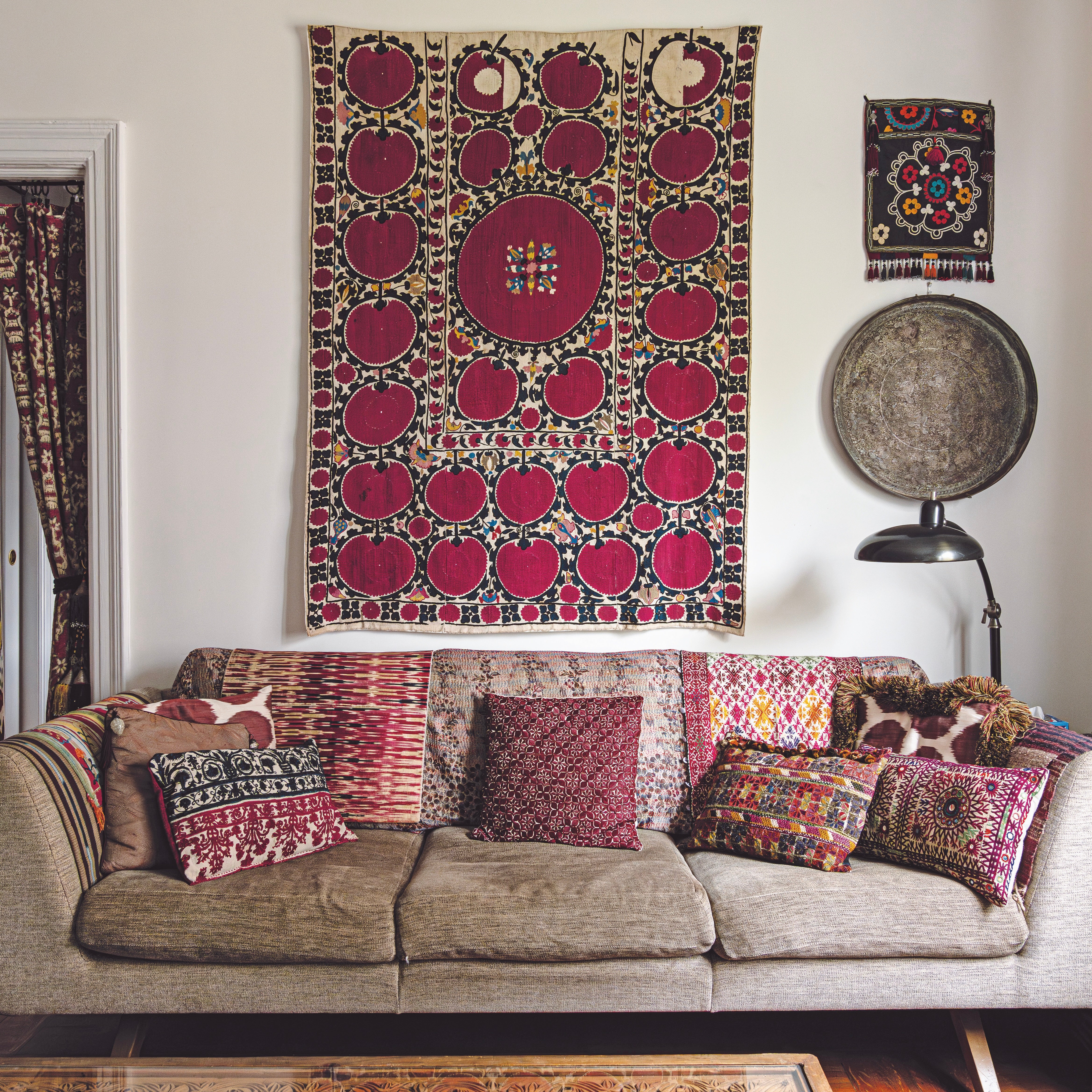
In this issue, we take Uzbekistan as a pivot point from which to explore Central Asia, from Almaty in Kazakhstan to Istanbul in Türkiye. We highlight stories of textiles from across the continent that underpin the importance of Central Asia to the history and future of textiles. Uzbekistan, our focus, is a country with not only a rich and complex textile history but also a new generation of artists and designers who have grown up free from Soviet dominance – they are rediscovering their heritage and reinterpreting the traditions for an international market. As emerging makers, their skill and will reassure me that they are the ones to watch over the coming decade.
The mission of these talented individuals is aided by the forward-thinking government, whose stated aim is to rebrand Islam, shed its associations with violence, and reclaim its pillars of education, tolerance, and generosity. The regular craft and culture festivals across the region welcome visitors from around the world. The government’s significant investment in the arts and culture testify to their commitment to supporting the cultural renaissance. As we in the West re-examine our imperial past, Central Asia is building equitable relationships.
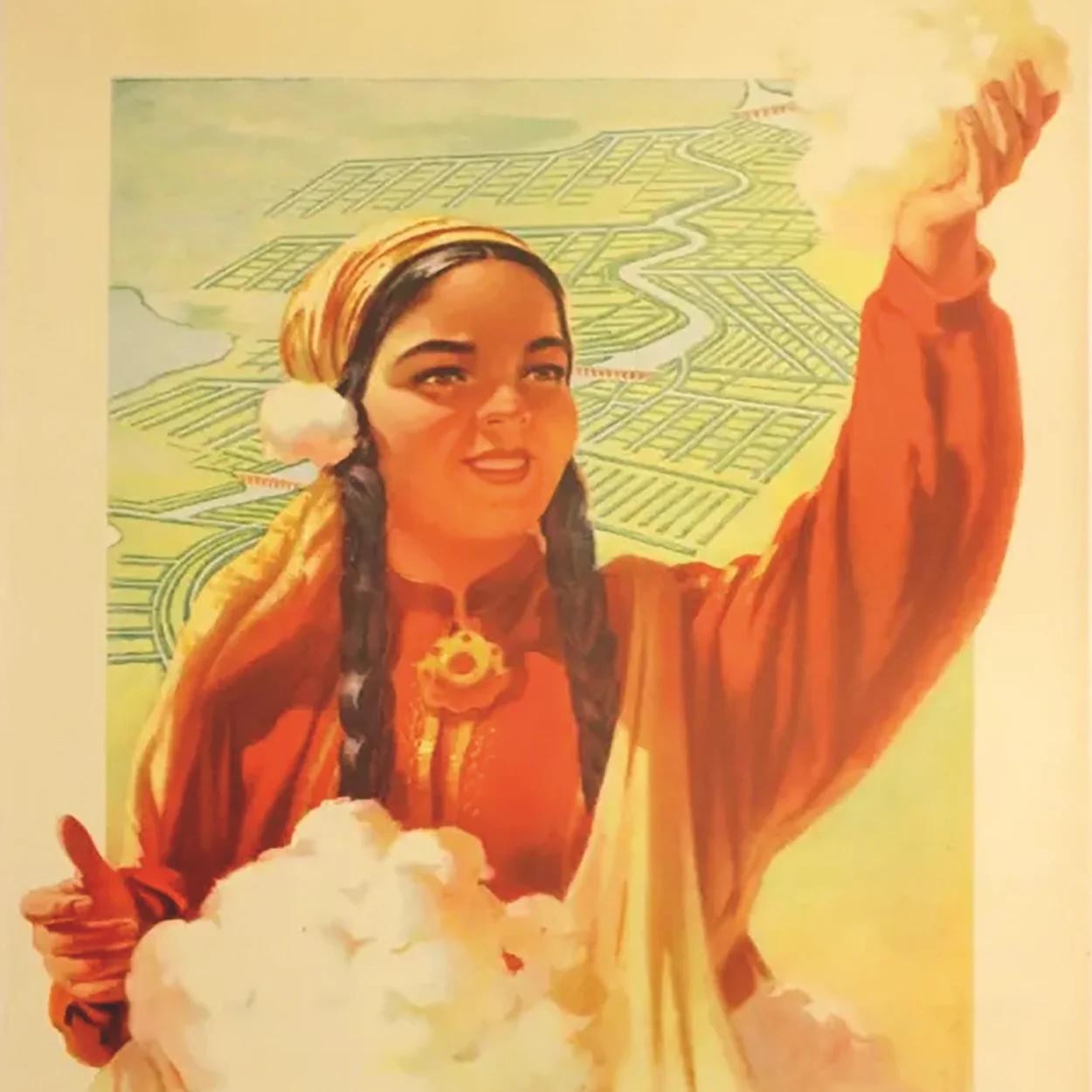
Although Uzbekistan still produces cotton on an industrial scale and the scars of the Soviet decades are visible not only in the roller-printed cottons that line Ikat chapans but also in the environmental disaster that has devastated the Aral Sea, the future looks bright due to the tenacity of the people. Curating this issue has been a joy and has whet my appetite to explore this region further. I am indebted to the generosity of collaborators, including Mr. Ravshan Usmanov, the Uzbek ambassador in London; Azizbek Murtazaev, president of the World Craft Council, Asia Pacific; Aizhan Bekkulova, chair of the Union of Artisans of Kazakhstan; and Christine Martens, Central Asian textile researcher and teacher, whose generosity has made this issue possible.
Polly Leonard, Founder
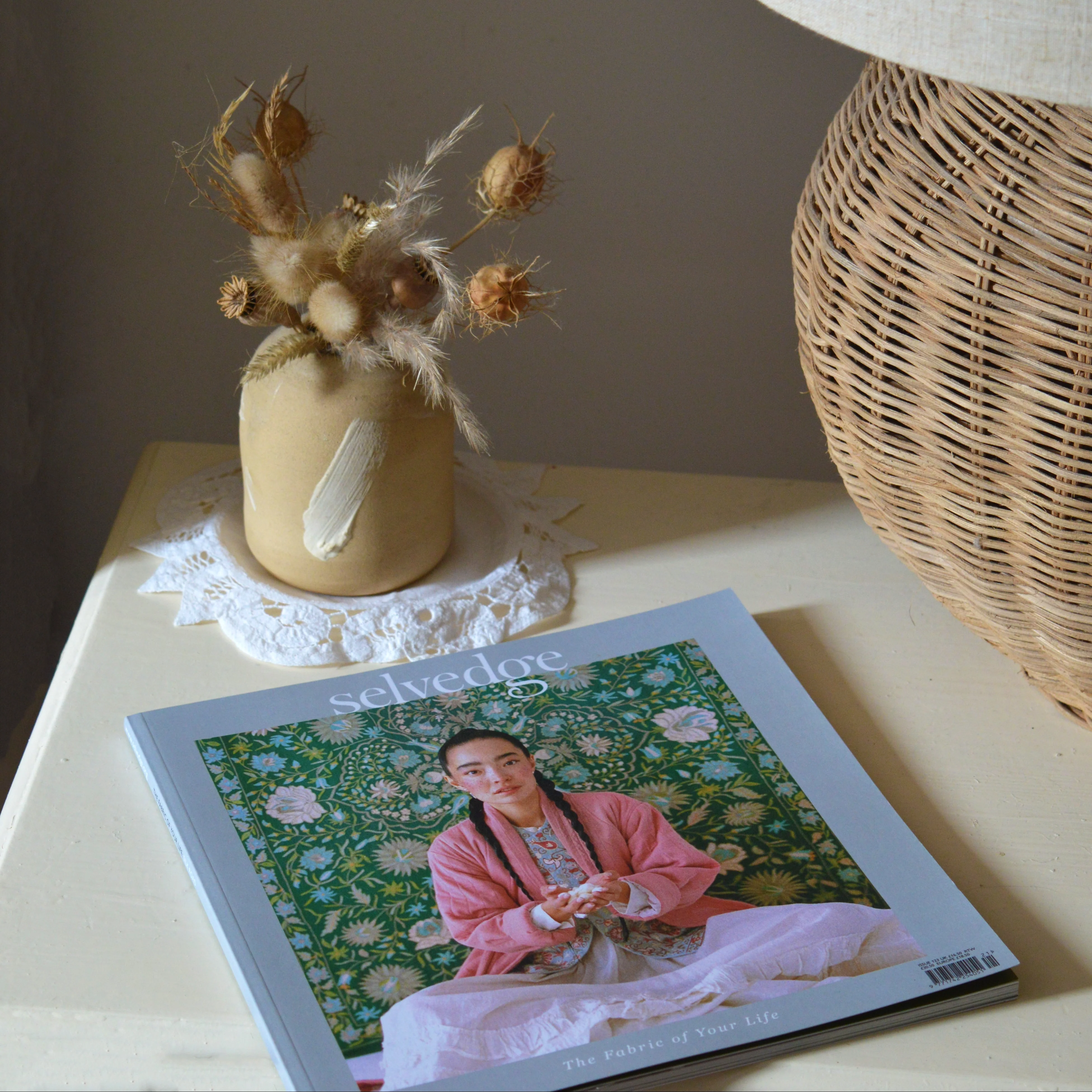
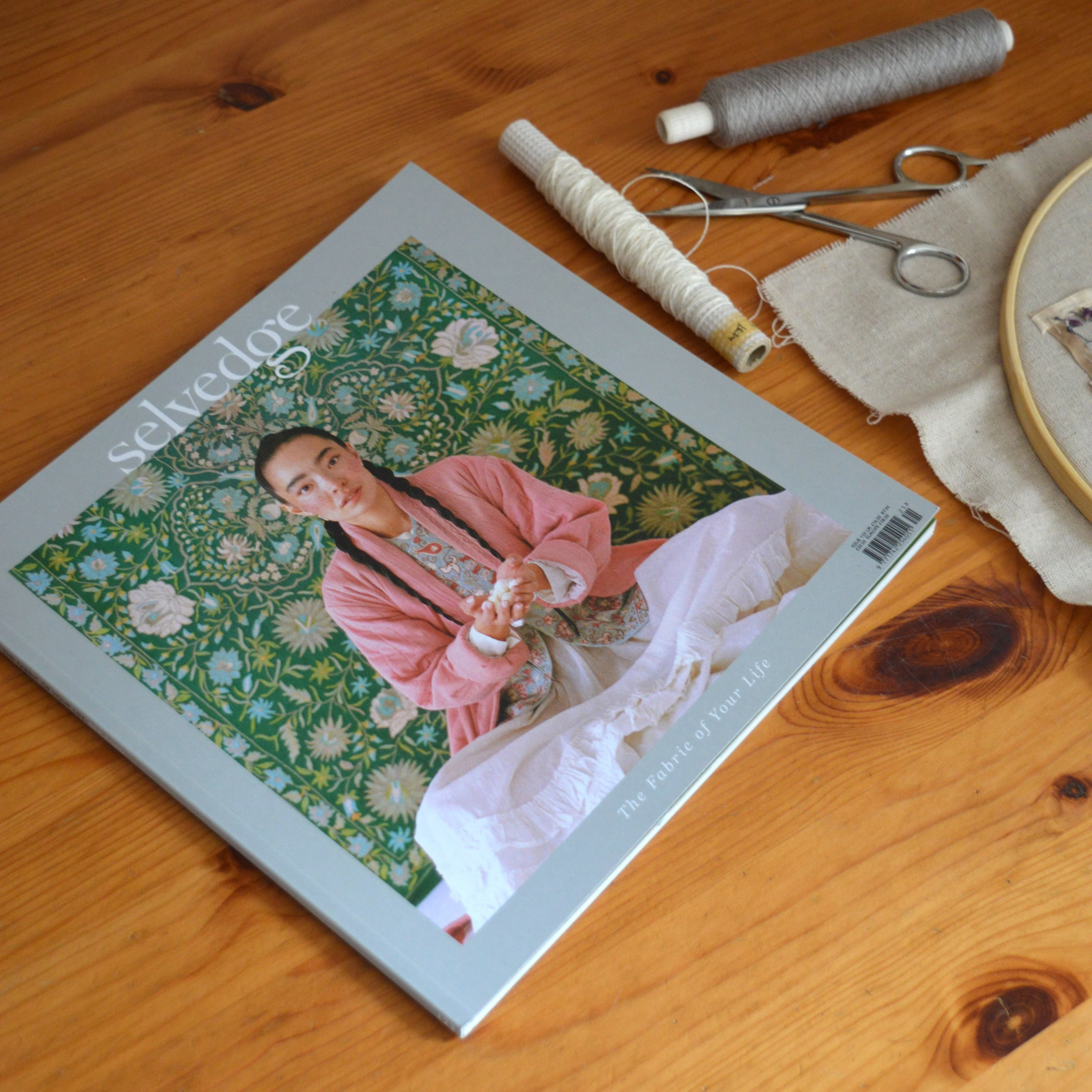
- Selvedge magazine comprises of 96 pages.
- Size 24 cm x 24 cm.
- Printed with soy-based inks on FSC certified paper which has been produced in an environmentally friendly, socially responsible and economically viable manner.
- Sent in biodegradable packaging.
- If you ordered a digital download of an issue, the link will be sent to you within 72 hours of your order.
- Shipping is included in your order. Print issues and Selvedge goods are sent by standard second class/international post for which we advise the delivery to the UK can take up to 14 days, Europe up to 21 days and Rest of World up to 28 days. In-transit tracking is not available. Orders of six of more back issues are sent via a tracked service.
Original: $32.16
-65%$32.16
$11.26Product Information
Product Information
Shipping & Returns
Shipping & Returns
Description
Camel caravans crossing desert dunes, merchants trading silks at bazaars – these are the stereotypical images that come to mind when we think of the Silk Roads. But the reality goes far beyond these tropes. Rather than a single trade route from East to West, the Silk Roads comprised overlapping networks linking communities across Asia, Africa, and Europe, from Japan to Britain, Scandinavia to Madagascar.
In this issue, we take Uzbekistan as a pivot point from which to explore Central Asia, from Almaty in Kazakhstan to Istanbul in Türkiye. We highlight stories of textiles from across the continent that underpin the importance of Central Asia to the history and future of textiles. Uzbekistan, our focus, is a country with not only a rich and complex textile history but also a new generation of artists and designers who have grown up free from Soviet dominance – they are rediscovering their heritage and reinterpreting the traditions for an international market. As emerging makers, their skill and will reassure me that they are the ones to watch over the coming decade.
The mission of these talented individuals is aided by the forward-thinking government, whose stated aim is to rebrand Islam, shed its associations with violence, and reclaim its pillars of education, tolerance, and generosity. The regular craft and culture festivals across the region welcome visitors from around the world. The government’s significant investment in the arts and culture testify to their commitment to supporting the cultural renaissance. As we in the West re-examine our imperial past, Central Asia is building equitable relationships.
Although Uzbekistan still produces cotton on an industrial scale and the scars of the Soviet decades are visible not only in the roller-printed cottons that line Ikat chapans but also in the environmental disaster that has devastated the Aral Sea, the future looks bright due to the tenacity of the people. Curating this issue has been a joy and has whet my appetite to explore this region further. I am indebted to the generosity of collaborators, including Mr. Ravshan Usmanov, the Uzbek ambassador in London; Azizbek Murtazaev, president of the World Craft Council, Asia Pacific; Aizhan Bekkulova, chair of the Union of Artisans of Kazakhstan; and Christine Martens, Central Asian textile researcher and teacher, whose generosity has made this issue possible.
Polly Leonard, Founder
- Selvedge magazine comprises of 96 pages.
- Size 24 cm x 24 cm.
- Printed with soy-based inks on FSC certified paper which has been produced in an environmentally friendly, socially responsible and economically viable manner.
- Sent in biodegradable packaging.
- If you ordered a digital download of an issue, the link will be sent to you within 72 hours of your order.
- Shipping is included in your order. Print issues and Selvedge goods are sent by standard second class/international post for which we advise the delivery to the UK can take up to 14 days, Europe up to 21 days and Rest of World up to 28 days. In-transit tracking is not available. Orders of six of more back issues are sent via a tracked service.